
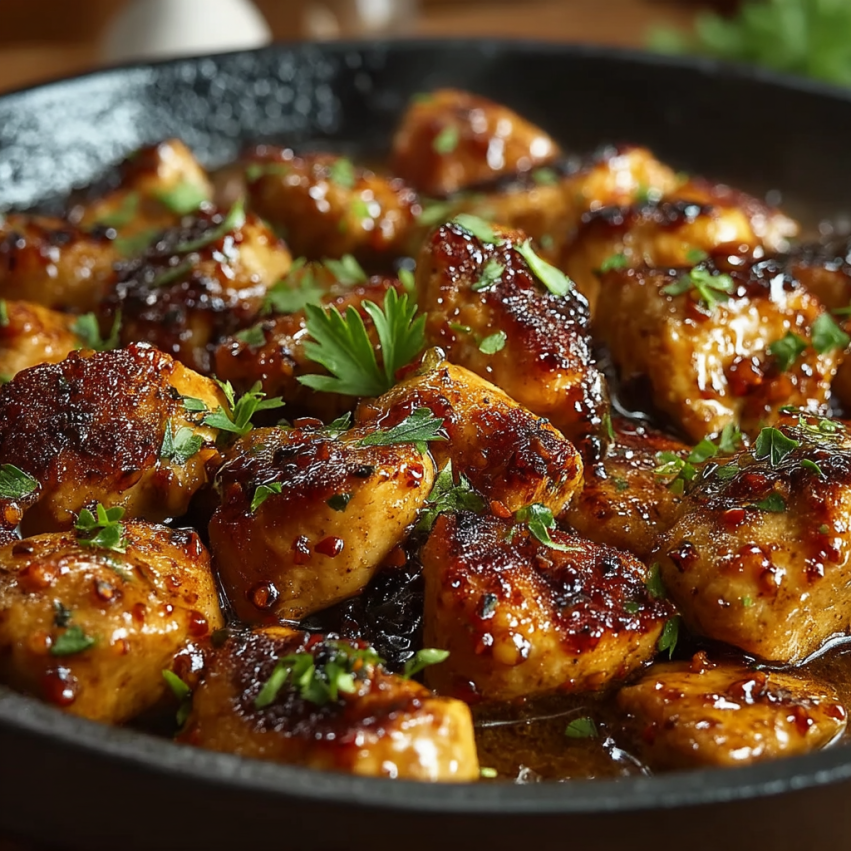
There’s something magical about recreating restaurant favorites at home, and this Texas Roadhouse-inspired butter chicken skillet has become my go-to weeknight dinner. The first time I made this dish, my family thought I’d ordered takeout—the golden, glossy chicken with that signature sweet and savory butter sauce looked straight off a restaurant menu. What started as a craving for that familiar steakhouse flavor turned into a regular rotation in our home, and honestly, I think my version might be even better than the original.
The beauty of this recipe lies in its simplicity. Unlike complicated restaurant dishes that require obscure ingredients or culinary school techniques, this skillet meal comes together with pantry staples and basic cooking skills. Additionally, it’s incredibly forgiving, making it perfect for both confident cooks and those just starting their kitchen journey.
Why You’ll Love This Recipe
Restaurant Quality Without the Wait
This dish delivers that signature Texas Roadhouse experience right in your own kitchen. The combination of honey-sweetened butter and smoky paprika creates a sauce that’s both comforting and impressive. Moreover, you’ll save money while enjoying restaurant-quality flavor any night of the week.
Quick and Foolproof
From start to finish, this recipe takes less than 30 minutes. The straightforward technique means there’s little room for error, and even beginner cooks will feel confident tackling this dish. Furthermore, cleanup is minimal since everything happens in one skillet.
Incredibly Versatile
While the recipe is delicious as written, it adapts beautifully to your preferences. Whether you want it spicier, creamier, or paired with different sides, this chicken skillet accommodates endless variations. It’s also naturally gluten-free and can easily be adjusted for low-carb diets.
Perfect for Meal Prep
This chicken reheats beautifully, making it ideal for weekly meal preparation. The flavors actually deepen overnight, which means your leftovers might taste even better than the original meal. Consequently, I often double the recipe just to ensure we have extras.
Ingredients You’ll Need
Main Components
Chicken Breasts – Four boneless, skinless chicken breasts form the protein base of this dish. Look for breasts that are similar in size for even cooking. If your chicken breasts are particularly thick (over 1 inch), consider butterflying them to ensure they cook through properly.
Olive Oil – Two tablespoons of olive oil prevent the chicken from sticking and help achieve that beautiful golden crust. You can substitute with avocado oil or another high-heat cooking oil if preferred.
Unsalted Butter – A quarter cup of butter creates the rich, luxurious sauce that makes this dish special. Using unsalted butter allows you to control the saltiness of the final dish.
Honey – One teaspoon of honey adds subtle sweetness that balances the savory elements. This touch of sweetness is what gives the sauce its signature Texas Roadhouse character.
Garlic Powder – One teaspoon brings savory depth without the hassle of mincing fresh garlic. While fresh garlic works too, powder distributes more evenly in the butter mixture.
Smoked Paprika – This spice contributes both color and a gentle smoky flavor that elevates the entire dish. Regular paprika can substitute in a pinch, though you’ll miss that distinctive smokiness.
Salt and Black Pepper – Half a teaspoon each seasons the chicken and sauce perfectly. Feel free to adjust based on your taste preferences.
Chicken Broth – A quarter cup deglazes the pan and creates the sauce base. Low-sodium broth works best since you can adjust seasoning to taste.
Fresh Parsley – One tablespoon of chopped parsley adds a pop of color and fresh flavor to finish the dish.
Optional Serving Suggestions
- Mashed potatoes or cauliflower mash
- Steamed green beans or broccoli
- Rice pilaf or cauliflower rice
- Crusty bread for soaking up the sauce
- Simple garden salad
Step-by-Step Instructions
Prepare the Butter Mixture
Start by creating the signature sauce that makes this dish so special. In a small mixing bowl, combine the butter, honey, garlic powder, smoked paprika, salt, and pepper. Mix everything together until smooth and well incorporated. The butter should be at room temperature to make mixing easier—if it’s too cold, the honey won’t blend properly. Set this mixture aside while you cook the chicken. This preparation step ensures your sauce comes together quickly once the chicken is cooked.
Cook the Chicken
Heat your skillet over medium heat and add the olive oil. Allow the oil to warm for about a minute until it shimmers slightly. Place the chicken breasts in the skillet, making sure they’re not touching each other. Cook for 5-6 minutes without moving them—this patience rewards you with a gorgeous golden crust. Flip the chicken and cook for another 5-6 minutes on the second side.
To check for doneness, insert an instant-read thermometer into the thickest part of the breast. It should read 165°F. If you don’t have a thermometer, cut into the thickest part—the meat should be white throughout with no pink remaining, and the juices should run clear. Once cooked, transfer the chicken to a plate and let it rest.
Create the Pan Sauce
With the chicken removed, you’ll notice brown bits stuck to the bottom of your skillet—this is flavor gold! Pour the chicken broth into the hot skillet and use a wooden spoon or spatula to scrape up these flavorful bits. This process, called deglazing, incorporates all that delicious caramelized flavor into your sauce.
Once the broth is bubbling, add your prepared butter mixture to the skillet. Stir continuously as the butter melts and combines with the broth. The sauce will become smooth and glossy, transforming from separate ingredients into a cohesive, restaurant-worthy sauce. Let it cook for about a minute until everything is fully incorporated.
Finish the Dish
Return the rested chicken breasts to the skillet, nestling them into the butter sauce. Spoon some sauce over the top of each breast to ensure they’re well coated. Lower the heat slightly and let everything simmer together for 2-3 minutes. This final step allows the chicken to absorb the flavors while the sauce thickens slightly.
Watch as the sauce clings to the chicken, creating that signature glossy coating. The simmering process also ensures the chicken stays moist and picks up all those wonderful sweet and smoky notes. Remove from heat, sprinkle with fresh chopped parsley, and serve immediately.
Serving Suggestions
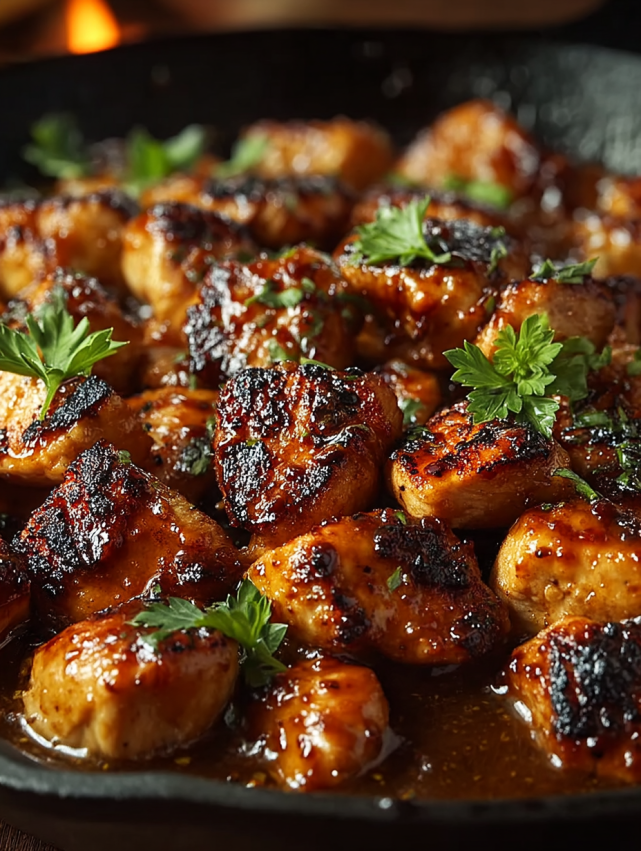
This butter chicken skillet pairs beautifully with various side dishes depending on your mood and dietary preferences. For a classic steakhouse experience, serve alongside creamy mashed potatoes that soak up the luscious butter sauce. The combination is pure comfort food at its finest.
If you’re watching carbs, cauliflower rice or mashed cauliflower makes an excellent low-carb alternative that still delivers on satisfaction. The mild flavor of cauliflower lets the chicken shine while adding nutritious vegetables to your plate. Similarly, roasted asparagus or green beans contribute color and crunch without competing with the main dish.
For a heartier meal, consider pairing the chicken with rice pilaf or buttered egg noodles. These starchy sides transform the dish into something substantial enough to satisfy even the hungriest appetites. Don’t forget crusty bread for mopping up every last drop of that incredible sauce—it’s too good to waste!
Recipe Variations
Creamy Version
Transform this dish into an even more indulgent meal by adding dairy. After creating your butter sauce, stir in 1/4 cup of heavy cream or full-fat coconut milk. The cream adds luxurious body and creates a sauce reminiscent of stroganoff. Coconut milk offers a dairy-free option that still delivers richness while adding a subtle tropical note that complements the honey beautifully.
Spicy Kick
If you enjoy heat, incorporate spicy elements to wake up your taste buds. Add a pinch of cayenne pepper to the butter mixture before cooking, or sprinkle red pepper flakes into the finished sauce. For even more heat, try using hot smoked paprika instead of regular smoked paprika. These small adjustments maintain the dish’s character while adding excitement for spice lovers.
Herb-Infused
Fresh herbs elevate this dish to new heights. Beyond the parsley garnish, try adding fresh thyme or rosemary to the butter mixture. Chopped fresh basil stirred in at the end brings an unexpected brightness. For an Italian twist, add Italian seasoning to the butter mixture and finish with fresh basil and a sprinkle of parmesan cheese.
Lemon Butter Version
Brighten the flavors by incorporating citrus. Add the zest of one lemon to your butter mixture, then squeeze fresh lemon juice over the finished chicken. The acidity cuts through the richness and adds a restaurant-quality finish. This variation works especially well during summer months when you want something a bit lighter.
Make-Ahead Tips
This recipe works wonderfully for meal prep and advance planning. Prepare the butter mixture up to three days ahead and store it covered in the refrigerator. When you’re ready to cook, simply let it come to room temperature for easier spreading. This advance preparation makes weeknight cooking even faster.
You can also cook the chicken completely and store it with the sauce in an airtight container. The dish keeps well in the refrigerator for up to three days. Reheat gently in a skillet over low heat, adding a splash of chicken broth if the sauce seems too thick. Alternatively, microwave individual portions, though the skillet method preserves the texture better.
For longer storage, this chicken freezes beautifully for up to three months. Portion it into individual servings before freezing for easy grab-and-go meals. Thaw overnight in the refrigerator before reheating. The flavors remain vibrant even after freezing, making this an excellent candidate for batch cooking sessions.
Notes
Creating Extra Creaminess
For those who prefer a richer, creamier sauce, heavy cream or coconut milk works wonderfully. Add about 1/4 cup after you’ve created the base sauce, stirring until smooth. The cream not only adds richness but also helps the sauce cling to the chicken more effectively. Coconut milk provides a dairy-free alternative with its own subtle sweetness that complements the honey.
Adjusting the Heat Level
While the original recipe is mild, heat lovers can easily customize the spice level. A pinch of cayenne pepper goes a long way—start with 1/8 teaspoon and increase gradually. Red pepper flakes sprinkled on top before serving let each diner control their own heat level. Hot smoked paprika instead of regular smoked paprika adds warmth without overwhelming the other flavors.
Low-Carb Serving Options
This naturally gluten-free dish adapts perfectly to low-carb diets. Cauliflower rice soaks up the butter sauce beautifully while keeping carbs minimal. Zucchini noodles offer another excellent low-carb base. Alternatively, simply serve the chicken alongside roasted vegetables like Brussels sprouts, broccoli, or asparagus for a completely carb-conscious meal.
Proper Storage
Store leftovers in an airtight container in the refrigerator for up to three days. The sauce may solidify when cold due to the butter content, but it will melt beautifully when reheated. For best results, reheat gently on the stovetop rather than the microwave to maintain the chicken’s texture. Add a splash of chicken broth if needed to loosen the sauce.
Frequently Asked Questions
Can I use chicken thighs instead of breasts?
Absolutely! Boneless, skinless chicken thighs work beautifully in this recipe and many people prefer their juicier texture. Thighs are also more forgiving and less likely to dry out if slightly overcooked. Keep the cooking time similar, though thighs may need an extra minute or two per side. The internal temperature should still reach 165°F for food safety.
What if I don’t have smoked paprika?
Regular paprika works in a pinch, though you’ll lose the distinctive smoky flavor that makes this dish special. To compensate, you might add a tiny drop of liquid smoke to the butter mixture, or use a smoked salt if you have it. Some people successfully substitute with a combination of regular paprika and a pinch of cumin for depth.
How do I prevent the butter from burning?
The key is cooking over medium heat rather than high heat. Butter has a lower smoke point than oil, which is why we cook the chicken in olive oil first. When you add the butter mixture to the deglazed pan, the chicken broth helps regulate the temperature. Stirring constantly while the butter melts also prevents scorching.
Can I make this with frozen chicken?
For best results, thaw your chicken completely before cooking. Frozen chicken releases excess moisture during cooking, which prevents proper browning and dilutes the sauce. If you’re in a pinch, thaw chicken quickly by placing sealed breasts in cold water for about an hour. Never use hot water as it can promote bacterial growth.
Why is my chicken dry?
Overcooking is the most common culprit for dry chicken. Invest in an instant-read thermometer and remove the chicken from heat as soon as it reaches 165°F. Remember that carryover cooking will bring the temperature up another few degrees as it rests. Also, butterflying thick chicken breasts helps them cook more evenly and prevents the outside from overcooking while the inside reaches temperature.
Can I double this recipe?
Definitely! This recipe scales beautifully. However, you may need to cook the chicken in batches unless you have a very large skillet. Crowding the pan prevents proper browning and can result in steamed rather than seared chicken. Cook half the chicken, set it aside, then cook the remaining pieces. You can return all the chicken to the skillet together for the final simmering step.
What can I substitute for honey?
Maple syrup works wonderfully as a honey substitute and adds its own unique flavor profile. Brown sugar or agave nectar also work, though you may need to adjust the quantity slightly—start with less and taste as you go. For a sugar-free version, try a sugar-free honey substitute or a small amount of stevia, though the flavor will be slightly different.
Is this recipe kid-friendly?
Most children love this mild, slightly sweet chicken dish. The familiar flavors and tender texture make it appealing even to picky eaters. If your kids are sensitive to new flavors, you might reduce the paprika slightly or serve the sauce on the side so they can control how much they want. Cutting the chicken into strips or nuggets can also make it more approachable for younger children.