
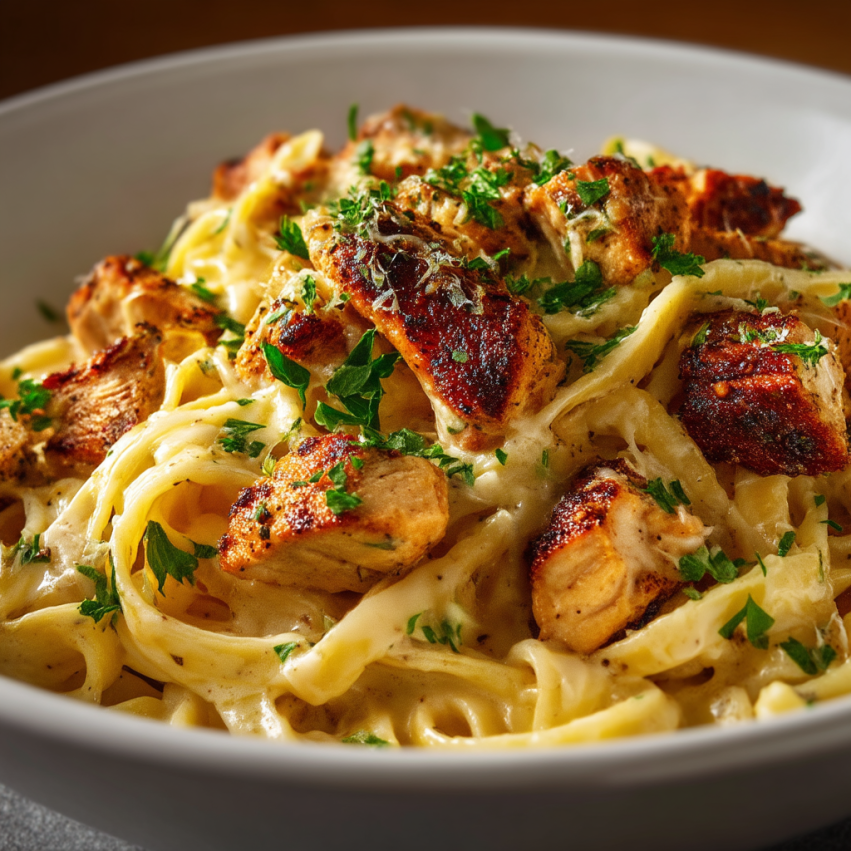
There’s something magical about a dish that comes together in just half an hour yet tastes like you’ve been slaving away in the kitchen all day. This Cowboy Butter Chicken Linguine is exactly that kind of recipe—the one I reach for on busy weeknights when my family is hungry and I need something impressive without the stress. The first time I made this, my kids actually put down their phones at the dinner table, and my husband went back for seconds. That’s when I knew this recipe was a keeper.
The inspiration came from the viral cowboy butter trend, where herbs, garlic, and spices meld into an intoxicating compound butter. I thought, why not transform that into a complete pasta dish? What resulted was this creamy, garlicky masterpiece that’s become our go-to comfort meal.
Why You’ll Love This Cowboy Butter Chicken Linguine
It’s Restaurant-Quality Without the Price Tag
This dish delivers the kind of rich, complex flavors you’d expect from your favorite Italian restaurant, but you’ll make it in your own kitchen for a fraction of the cost. The combination of butter, garlic, and cream creates a sauce so luscious that every bite feels indulgent.
Ready in 30 Minutes Flat
Between work, kids’ activities, and life in general, weeknight dinners need to be fast. This recipe respects your time while never compromising on taste. From boiling water to serving plates, you’re looking at just half an hour of active cooking time.
One-Pan Wonder (Almost!)
While you’ll need a pot for the pasta, everything else happens in one skillet. This means fewer dishes to wash and more time to actually enjoy your evening. The same pan that browns your chicken becomes the vessel for that gorgeous, flavor-packed sauce.
Customizable to Your Family’s Tastes
Whether you have picky eaters, spice lovers, or someone avoiding dairy, this recipe adapts beautifully. You can dial the heat up or down, swap proteins, or make it completely plant-based without losing any of that signature cowboy butter magic.
Impressive Enough for Company
Despite its simplicity, this dish looks and tastes sophisticated enough to serve when you have guests over. The bright green parsley against the creamy sauce, with perfectly cooked chicken nestled in linguine, makes for a stunning presentation that’ll have everyone asking for the recipe.
Ingredients You’ll Need
For the Chicken
Boneless, skinless chicken breasts – Choosing tender, juicy pieces ensures they soak up the rich flavors of the sauce. I usually pound them to an even thickness so they cook uniformly without any dry spots.
For the Pasta
Linguine pasta – A perfect base that captures every bit of the creamy sauce; feel free to substitute with fettuccine or spaghetti! The flat shape of linguine is ideal because it holds onto the sauce better than round noodles.
For the Sauce
Olive oil – This adds depth while browning the chicken and prevents sticking. Go for a good quality extra virgin if you have it—the flavor difference is noticeable.
Butter – Essential for that rich cowboy butter flavor; for dairy-free, swap with plant-based butter. I prefer unsalted so I can control the seasoning myself.
Garlic – Freshly minced for aromatic goodness; the backbone of this garlicky masterpiece. Don’t even think about using the jarred stuff here—fresh makes all the difference.
Dijon mustard – Introduces a subtle tang that elevates the sauce. This ingredient might seem unexpected, but it adds a sophisticated depth that regular yellow mustard just can’t match.
Paprika – Provides a smoky undertone and invites a splash of color. I use sweet paprika, but smoked paprika works beautifully if you want an even deeper flavor profile.
Red pepper flakes (optional) – Sprinkle in for a bit of heat; adjust according to your spice tolerance. Start with a pinch and add more if you’re feeling adventurous.
Lemon juice and lemon zest – This duo brightens the dish, balancing the creaminess beautifully. Always use fresh lemon rather than bottled juice—the difference is night and day.
Fresh parsley – Chopped and mixed in for fresh herbaceous notes; also fabulous as a garnish. Italian flat-leaf parsley has more flavor than the curly variety.
Chicken broth or reserved pasta water – A liquid base that helps to create a luscious sauce; using pasta water helps with consistency thanks to the starch it contains.
Heavy cream – The star ingredient for that creamy texture we all love in Cowboy Butter Chicken Linguine; substitute with coconut cream for a dairy-free version that’s equally rich.
Grated parmesan cheese – A sprinkle adds savory umami flavors; opt for vegan cheese if preferred. Freshly grated melts better than the pre-shredded kind, which often contains anti-caking agents.
Salt and black pepper – The essential seasonings that bring all the flavors together. I recommend sea salt or kosher salt for the best flavor.
How to Make Cowboy Butter Chicken Linguine
Step 1: Cook the Pasta
Start by bringing a large pot of salted water to a rolling boil. The water should taste like the sea—this is your only chance to season the pasta itself. Add the linguine and cook according to package directions, usually 9-11 minutes for al dente. Before draining, scoop out about ½ cup of that starchy pasta water and set it aside. This liquid gold will help create a silky sauce that clings perfectly to your noodles. Drain the pasta and give it a quick toss with a tiny drizzle of olive oil to prevent sticking.
Step 2: Brown the Chicken Perfectly
While your pasta cooks, heat olive oil in a large skillet over medium-high heat until it shimmers. Pat your chicken pieces dry with paper towels—this crucial step ensures a beautiful golden-brown crust rather than steamed, gray meat. Season both sides generously with salt and freshly cracked black pepper. Carefully lay the chicken in the hot pan, making sure not to overcrowd it. Let it cook undisturbed for 5-7 minutes until a gorgeous crust forms and the chicken is cooked through (internal temperature should reach 165°F). Resist the urge to move it around! Once done, transfer to a clean plate and let it rest while you build the sauce.
Step 3: Create the Cowboy Butter Base
In the same skillet (don’t wash it—those browned bits are pure flavor!), reduce the heat to medium and melt the butter. Once it’s bubbling gently, add the minced garlic, paprika, and red pepper flakes if using. Sauté for about 1 minute, stirring constantly, until the garlic becomes fragrant and just starts to turn golden. Be careful not to let it brown too much or it’ll taste bitter. The aroma at this point should be absolutely intoxicating.
Step 4: Build Flavor Layers
Now it’s time to add complexity to your sauce. Stir in the Dijon mustard, fresh lemon juice, lemon zest, and either chicken broth or some of that reserved pasta water. Using a wooden spoon, scrape up all those delicious browned bits stuck to the bottom of the pan—this technique, called deglazing, adds incredible depth to your sauce. Let the mixture come to a gentle simmer, allowing the flavors to meld together for about 2 minutes. The acidity from the lemon and mustard will brighten everything beautifully.
Step 5: Add the Cream
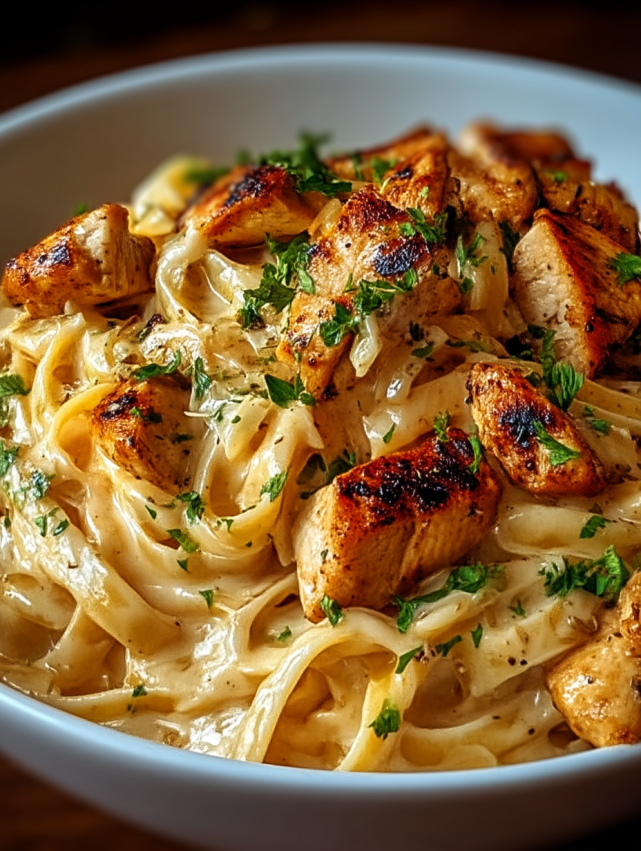
Pour in the heavy cream and half of your chopped fresh parsley, stirring gently to combine. The sauce will immediately start looking luxurious and velvety. Continue cooking for an additional 2 minutes, stirring occasionally, until the sauce thickens slightly and coats the back of your spoon. Don’t let it boil vigorously or the cream might separate. If it seems too thick, splash in a bit more pasta water; if it’s too thin, let it simmer a bit longer.
Step 6: Bring It All Together
Slice or dice your rested chicken into bite-sized pieces, then return it to the skillet along with any juices that have accumulated on the plate. Add the cooked linguine and grated parmesan cheese, then use tongs to toss everything together until every strand of pasta is gloriously coated in that creamy cowboy butter sauce. If the sauce seems too thick or the pasta isn’t moving freely, add reserved pasta water a tablespoon at a time until you reach the perfect consistency. The starch in the pasta water will help the sauce cling to the noodles like a dream.
Step 7: Final Seasoning and Presentation
Taste your masterpiece and adjust the salt and pepper as needed—this is your chance to make it perfect. Remember that the parmesan adds saltiness, so go easy at first. Transfer to a serving platter or individual bowls, then garnish generously with the remaining fresh parsley and an extra shower of parmesan cheese. For an elegant touch, add a few twists of cracked black pepper and a light grating of fresh lemon zest on top. Serve immediately while it’s still steaming and the sauce is at its most luxurious consistency.
Serving Suggestions That Elevate the Meal
This Cowboy Butter Chicken Linguine is hearty enough to stand on its own, but pairing it with the right sides takes dinner from great to unforgettable. A crusty garlic bread or warm Italian loaf is perfect for soaking up every last drop of that incredible sauce—trust me, you won’t want to waste a single bit.
For a lighter balance, serve alongside a crisp Caesar salad or a simple arugula salad dressed with lemon vinaigrette. The peppery greens and bright acidity cut through the richness beautifully. Roasted vegetables like asparagus, broccolini, or Brussels sprouts make wonderful companions too, adding color and nutrients without competing with the main dish.
If you’re serving this for a special occasion, consider starting with bruschetta or a caprese salad, and finishing with a light lemon sorbet or tiramisu. A chilled glass of Chardonnay or Pinot Grigio pairs wonderfully with the creamy sauce, though a light-bodied red like Pinot Noir works surprisingly well too.
Creative Variations to Try
Protein Swaps for Every Diet
While chicken is classic, this recipe welcomes all kinds of protein adventures. Sliced turkey breast works wonderfully and cooks even faster than chicken. Shrimp transforms this into a luxurious seafood pasta—just sauté them for 2-3 minutes per side until pink. For a vegetarian option, chickpeas add protein and a satisfying texture, while pan-fried tofu or tempeh offers a plant-based alternative that soaks up the sauce beautifully.
Pasta Shape Adventures
Though linguine is my go-to, fettuccine’s wider ribbons create an even more dramatic presentation. Spaghetti works in a pinch and is usually what I have in my pantry. For a heartier meal, try penne or rigatoni—the sauce gets trapped inside the tubes for flavor in every bite. Whole grain or chickpea pasta adds extra fiber and nutrients while maintaining that satisfying texture.
Adjust the Heat Level
If you’re cooking for kids or those with sensitive palates, simply omit the red pepper flakes for a mild, family-friendly version. On the flip side, heat lovers can amp things up with additional chili powder, a dash of cayenne pepper, or even some diced fresh jalapeños sautéed with the garlic. I’ve also tried adding a spoonful of harissa paste for a North African twist that was absolutely divine.
Dairy-Free Magic
Making this recipe dairy-free is easier than you’d think. Replace butter with plant-based butter (I love Miyoko’s brand), swap heavy cream for full-fat coconut cream or cashew cream, and use nutritional yeast or vegan parmesan for that cheesy finish. The result is just as creamy and indulgent as the original, proving that dietary restrictions don’t mean sacrificing flavor.
Veggie-Packed Versions
Adding vegetables boosts nutrition and brings gorgeous color to your plate. Sauté sliced bell peppers with the chicken for a sweet crunch, or wilt baby spinach into the sauce during the last minute of cooking. Steamed broccoli florets make this a more complete meal, while sun-dried tomatoes add a sweet-tart intensity that complements the buttery sauce perfectly. Mushrooms are another favorite—their earthy flavor pairs beautifully with the garlic and herbs.
Advanced Flavor Twists
For a more sophisticated version, deglaze the pan with a splash of white wine before adding the broth—it adds incredible depth and complexity. Experiment with different fresh herbs like basil for an Italian twist, thyme for earthiness, or rosemary for a more robust flavor. A citrus kick from lime or orange juice instead of (or in addition to) lemon creates an exciting brightness that really wakes up your palate.
Make-Ahead Tips for Busy Lives
While this dish is best enjoyed fresh, I understand that meal prep is essential for surviving hectic weeks. You can cook the chicken up to 2 days ahead and store it in an airtight container in the refrigerator. The sauce can also be prepared in advance and refrigerated for up to 3 days—just reheat it gently and add a splash of cream or pasta water to restore its silky consistency.
For full meal prep, cook the entire dish but slightly undercook the pasta (about 1-2 minutes less than al dente). Store everything in separate containers, then combine and reheat gently on the stovetop with a bit of extra liquid to revive the sauce. This method prevents the pasta from becoming mushy.
I don’t recommend freezing the finished dish since cream-based sauces can separate when frozen and thawed. However, you can freeze the cooked, seasoned chicken for up to 3 months and make fresh sauce when you’re ready to serve.
Important Notes for Success
Don’t Skip the Pasta Water: That starchy water is your secret weapon for achieving a sauce that perfectly coats the pasta. The starch acts as a natural emulsifier, helping the butter and cream stay smooth and glossy.
Temperature Matters: Make sure your cream is at room temperature before adding it to the hot pan. Cold cream hitting a hot skillet can cause the sauce to break or become grainy.
Fresh Lemon is Non-Negotiable: Bottled lemon juice lacks the bright, vibrant flavor of fresh lemons. The zest adds essential oils that make the dish sing, so don’t skip it.
Let the Chicken Rest: Allowing the chicken to rest for a few minutes after cooking helps it retain its juices. Cutting into it immediately causes all those flavorful juices to run out onto your cutting board instead of staying in the meat.
Adjust Consistency as Needed: Sauces thicken as they cool, so if you’re not serving immediately, keep extra pasta water or broth handy to thin it out when reheating.

Frequently Asked Questions
Can I use chicken thighs instead of breasts?
Absolutely! Boneless, skinless chicken thighs are actually my secret preference—they’re more forgiving and stay juicier even if slightly overcooked. They have more fat, which means more flavor, and they work beautifully in this recipe. Just adjust the cooking time slightly as thighs may take an extra minute or two.
How do I store leftovers?
Store any leftovers in an airtight container in the refrigerator for up to 3 days. When reheating, add a splash of chicken broth, cream, or even just water to the pan to help revive the sauce. Reheat gently over medium-low heat, stirring frequently, until warmed through. You can also microwave it, but stovetop reheating gives better results.
Can I make this gluten-free?
Yes! Simply use your favorite gluten-free pasta. Brown rice pasta and chickpea pasta both work wonderfully. Make sure your chicken broth and Dijon mustard are certified gluten-free if you’re cooking for someone with celiac disease, as some brands contain hidden gluten.
What if I don’t have Dijon mustard?
While Dijon adds a unique tangy depth, you can substitute with whole grain mustard for a similar effect with more texture. In a pinch, a tiny splash of white wine vinegar can provide some of that acidity. Regular yellow mustard isn’t ideal as it’s much sharper and less sophisticated, but it’ll work if that’s all you have—just use half the amount.
Why is my sauce too thin?
If your sauce seems watery, continue simmering it for a few more minutes to reduce and thicken. Adding a bit more parmesan cheese will also help thicken it while boosting flavor. Make sure you’re using heavy cream (not half-and-half or milk), as the higher fat content is necessary for proper thickening.
Can I add vegetables to make it more substantial?
Definitely! This recipe is incredibly flexible. Sauté mushrooms, bell peppers, or zucchini with the chicken, or stir in spinach or cherry tomatoes at the end. Just remember that adding vegetables will increase the overall volume, so you might want to use a bit more pasta or make extra sauce.
How can I make this less rich?
For a lighter version, use half-and-half instead of heavy cream, reduce the butter slightly, or increase the ratio of chicken broth to cream. You’ll sacrifice some of that luxurious texture, but it’ll still be delicious and considerably lighter on calories.
What’s the best way to reheat this dish?
Stovetop reheating is always best for pasta dishes. Place the leftovers in a skillet with a few tablespoons of chicken broth or water, and heat gently over medium-low heat, tossing frequently until warmed through. The microwave works too, but heat in 30-second intervals, stirring between each, and add a splash of liquid to prevent drying out.