
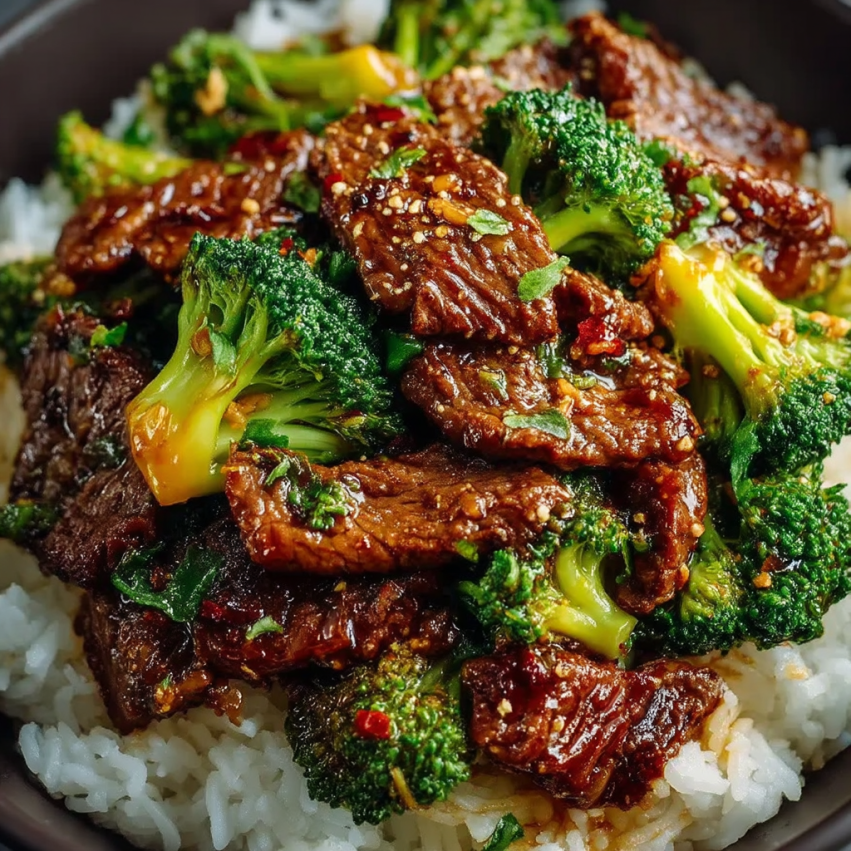
There’s something magical about the smell of garlic and ginger sizzling in a hot pan, mixed with tender beef and crisp broccoli coated in a glossy sauce. Growing up, beef and broccoli was my go-to order at every Chinese restaurant, and I’d always wonder how they made it taste so incredibly savory and restaurant-quality. After years of experimenting in my own kitchen, I finally cracked the code. This one-pan version delivers all those beloved takeout flavors without the hefty price tag or the wait for delivery.
The best part? You probably have most of these ingredients in your pantry already. With just a few simple techniques—like velveting the beef and getting your pan smoking hot—you’ll achieve that signature tender texture and caramelized flavor that makes this dish absolutely irresistible. Once you master this recipe, you’ll never need to order takeout again.
Why You’ll Love This Recipe
It’s faster than delivery. From start to finish, this dish takes about 30 minutes, including prep time. That’s less time than waiting for your food to arrive, and you’ll have a hot, fresh meal ready to enjoy.
One pan means easy cleanup. Nobody wants to wash a mountain of dishes after dinner. This recipe uses a single skillet for everything—steaming the broccoli, searing the beef, and tossing it all together in that luscious sauce. Cleanup is a breeze, which makes this perfect for busy weeknights.
The beef is incredibly tender. Thanks to a simple marinade with cornstarch and a quick cooking method, the beef stays juicy and tender. Even if you’re using a less expensive cut, the optional baking soda trick transforms tough meat into melt-in-your-mouth perfection.
Restaurant-Quality Flavor at Home
You control the ingredients. When you make this at home, you know exactly what’s going into your food. There are no mysterious additives or excessive amounts of oil and sodium like you might find in takeout. Plus, you can adjust the sauce to your personal taste preferences.
It’s budget-friendly. Restaurant beef and broccoli can cost $12-15 per serving, but making it at home costs a fraction of that. A single batch serves four people generously, making it an economical choice for feeding your family.
The sauce is perfectly balanced. The combination of soy sauce, Shaoxing wine, and a touch of brown sugar creates a savory-sweet sauce with incredible depth. Dark soy sauce adds a beautiful caramel color and subtle richness that makes the dish look just like what you’d get from your favorite Chinese restaurant.
Ingredients
For the Meat and Marinade
- 1 lb flank steak, skirt steak, or other cut (see notes)
- 1 tablespoon soy sauce
- 1 tablespoon peanut oil (or vegetable oil)
- 1 tablespoon cornstarch
- 1/2 teaspoon baking soda (optional, for tougher cuts)
For the Sauce
- 1/2 cup chicken stock (or beef stock)
- 2 tablespoons Shaoxing wine (or dry sherry)
- 2 tablespoons soy sauce
- 1 teaspoon dark soy sauce
- 2 teaspoons brown sugar (or white sugar)
- 1 tablespoon cornstarch
For the Stir-Fry
- 1 head broccoli, cut into bite-size florets
- 1 tablespoon peanut oil (or vegetable oil)
- 3 garlic cloves, minced
- 2 teaspoons ginger, minced
Serving Suggestions
Serve this beef and broccoli over fluffy steamed white rice or brown rice to soak up every drop of that delicious sauce. For a lower-carb option, try it with cauliflower rice or zucchini noodles. You can also pair it with fried rice, lo mein noodles, or even crispy chow mein for a complete Chinese feast.
Step-by-Step Instructions
Preparing the Beef
Start by slicing your beef against the grain into thin strips about 1/4 inch thick or 1/2 inch sticks. Cutting against the grain is crucial because it shortens the muscle fibers, resulting in more tender bites. Transfer the sliced beef to a small bowl, then add the soy sauce, peanut oil, and cornstarch.
Using your hands, gently massage the marinade into the meat until each slice is coated with a thin layer of sauce. This process, called velveting, creates a protective coating that keeps the beef juicy during cooking. Let the beef marinate for 10 minutes while you prep the remaining ingredients.
Making the Sauce
In a medium-sized bowl, combine the chicken stock, Shaoxing wine, soy sauce, dark soy sauce, brown sugar, and cornstarch. Whisk everything together until the cornstarch is fully dissolved and the sugar has melted. Set this aside—you’ll add it at the very end of cooking when everything comes together.
Cooking the Broccoli
Pour 1/4 cup of water into a large nonstick skillet and place it over medium-high heat. Once the water begins to boil, add your broccoli florets and immediately cover the pan with a lid. Steam the broccoli for about 1 minute, or until it just turns tender and bright green, and the water has evaporated.
The broccoli should still have a slight crunch to it—you don’t want it mushy. Transfer the broccoli to a plate and set it aside. If there’s any water left in the pan, wipe it out with a paper towel held in a pair of tongs. A dry pan is essential for the next step.
Searing the Beef
Add the tablespoon of oil to your now-dry skillet and swirl it around to coat the bottom. Heat the pan over medium-high heat until the oil is shimmering and almost smoking—this high heat is key to getting that restaurant-style sear.
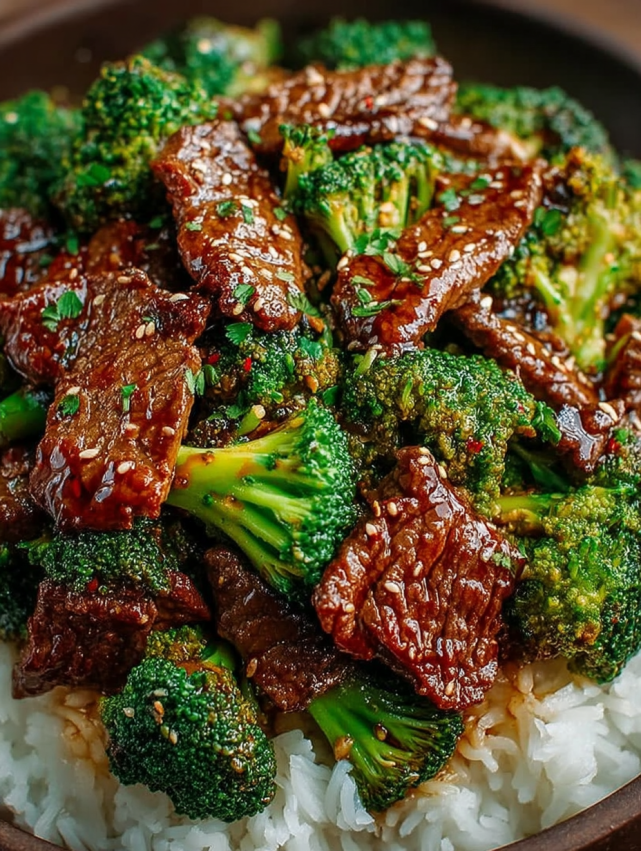
Spread the marinated beef in a single layer across the pan. Resist the urge to move it around! Let it cook undisturbed for 30 seconds so the bottom can develop a beautiful brown crust. Flip the pieces to cook the other side for just a few seconds, then stir and cook until the surface is lightly charred but the inside remains pink and juicy. This should take no more than 2-3 minutes total.
Adding Aromatics and Finishing
Toss in the minced garlic and ginger, stirring for just a few seconds until their fragrance fills your kitchen. Be careful not to burn them—they cook very quickly in the hot pan.
Return the steamed broccoli to the skillet. Give your sauce mixture one more stir to make sure the cornstarch hasn’t settled at the bottom, then pour it over everything in the pan. Cook and stir constantly as the sauce thickens and becomes glossy, which should take about 1 minute.
As soon as the sauce coats everything beautifully, transfer the beef and broccoli to a serving plate immediately. Don’t let it sit in the hot pan, or the beef will continue cooking and become tough.
Serving Suggestions
This dish is incredibly versatile when it comes to serving options. For a classic presentation, mound steamed jasmine rice in the center of a large platter and arrange the beef and broccoli around it. Garnish with sesame seeds and sliced green onions for a pop of color and extra flavor.
If you’re hosting a Chinese-inspired dinner party, serve this alongside other favorites like egg rolls, pot stickers, or hot and sour soup. The combination creates a restaurant-quality spread that will impress your guests without spending hours in the kitchen.
For meal prep, portion the beef and broccoli into individual containers with rice. It reheats beautifully in the microwave and makes for satisfying lunches throughout the week. Just store the components separately if you prefer your broccoli to stay crisp.
Recipe Variations
Spicy Beef and Broccoli
Add 1-2 teaspoons of chili garlic sauce or sriracha to the sauce mixture for a fiery kick. You can also toss in some dried red chili peppers when you add the garlic and ginger. This variation adds exciting heat while maintaining the dish’s savory-sweet balance.
Extra Vegetables
While broccoli is traditional, feel free to bulk up the vegetables with sliced bell peppers, snap peas, or mushrooms. Add them along with the broccoli during the steaming step. Carrots cut into thin coins also work wonderfully and add a sweet crunch.
Chicken and Broccoli
Swap the beef for boneless, skinless chicken breast or thighs cut into bite-sized pieces. The marinade and cooking method remain the same, though chicken may need an extra minute or two of cooking to ensure it’s fully done. This variation is leaner and equally delicious.
Lighter Version
For a healthier take, increase the broccoli to 1.5 heads and reduce the beef to 12 ounces. You can also substitute low-sodium soy sauce and reduce the sugar to 1 teaspoon. The dish will still be flavorful but with fewer calories and less sodium.
Make-Ahead Tips
You can prep most of this recipe in advance to make weeknight cooking even easier. Slice the beef and mix it with the marinade up to 24 hours ahead, storing it covered in the refrigerator. The sauce can also be mixed and refrigerated in an airtight container for up to 3 days—just give it a good stir before using since the cornstarch may settle.
Cut the broccoli florets and store them in a sealed container or plastic bag with a paper towel to absorb excess moisture. They’ll stay fresh in the fridge for 2-3 days. Mince the garlic and ginger together and keep them in a small container—this little time-saver makes a big difference when you’re ready to cook.
However, the actual cooking is best done right before serving. The high-heat searing and quick cooking time are what give this dish its signature texture and flavor. Fortunately, once everything is prepped, the cooking takes less than 10 minutes from start to finish.
Leftovers can be stored in an airtight container in the refrigerator for up to 3 days. Reheat gently in a skillet over medium heat or in the microwave, adding a splash of water or stock if the sauce has thickened too much. While the beef may not be quite as tender as when freshly made, it’s still delicious.
Notes
About the beef cuts: Flank steak and skirt steak are ideal because they’re naturally tender and flavorful. However, if you need to use a tougher, more economical cut like chuck, brisket, or round roast, add the 1/2 teaspoon of baking soda to the marinade. Let it sit for 30 minutes before cooking—this technique tenderizes the meat by breaking down the proteins and creates an incredibly juicy result.
Dark soy sauce substitute: Dark soy sauce adds an appetizing deep brown color and a subtle caramel note to the sauce. If you don’t have it on hand, you can skip it entirely, though your sauce will be lighter in color. To enhance the flavor when omitting dark soy sauce, add 1/2 teaspoon of molasses, which mimics that slight sweetness and depth.
Oil alternatives: Peanut oil is preferred for its high smoke point and neutral flavor, which is perfect for high-heat cooking. If you don’t have peanut oil, regular vegetable oil works just fine. For an extra flavor boost, drizzle 1/2 teaspoon of toasted sesame oil over the finished dish after turning off the heat and toss everything together.
Getting the right texture: The key to restaurant-quality beef and broccoli is high heat and quick cooking. Your pan should be hot enough that the beef sizzles immediately when it hits the surface. Overcooking the beef will make it tough, so aim for a light char on the outside while keeping the inside pink and tender.
Frequently Asked Questions
Can I use frozen broccoli instead of fresh?
Yes, frozen broccoli florets can work in a pinch, though fresh broccoli provides better texture and flavor. If using frozen, there’s no need to thaw it first—just add it to the hot pan with a tablespoon of water and steam until tender and heated through. Be aware that frozen broccoli releases more water, so you may need to drain any excess liquid before adding the beef back to the pan.
What if I don’t have Shaoxing wine?
Dry sherry is the best substitute for Shaoxing wine as it has a similar flavor profile. In a pinch, you can use dry white wine or even a splash of rice vinegar mixed with a tiny bit of sugar. Avoid sweet cooking wines, as they’ll make the dish too sugary. If you prefer to cook without alcohol, substitute with an equal amount of additional chicken stock.
How do I know when the beef is done?
The beef cooks very quickly—usually in just 2-3 minutes total. Look for a light char on the outside while the center remains slightly pink. Remember that the beef will continue cooking slightly when you add it back to the pan with the sauce, so it’s better to slightly undercook it during the initial searing. Overcooked beef becomes tough and chewy, so err on the side of caution.
Can I double this recipe?
Absolutely! This recipe scales up beautifully for feeding a crowd. However, if you’re doubling it, cook the beef in two batches rather than crowding the pan. Overcrowding causes the beef to steam instead of sear, preventing that desirable caramelized exterior. Use the same pan for both batches, and combine everything when you add the sauce at the end.
Why is my sauce not thickening?
Make sure you stir the sauce mixture right before adding it to the pan—cornstarch tends to settle at the bottom of the bowl. The sauce also needs to come to a simmer to activate the cornstarch’s thickening properties. If your sauce remains thin after a minute of cooking, mix an additional 1/2 teaspoon of cornstarch with a tablespoon of cold water and stir it into the pan. Cook for another 30 seconds until it reaches the desired consistency.
Is this dish gluten-free?
Not as written, since soy sauce contains gluten. However, you can easily make it gluten-free by substituting tamari or coconut aminos for all the soy sauce in the recipe. Make sure your dark soy sauce substitute (if using) is also gluten-free. The rest of the ingredients are naturally gluten-free, so these simple swaps will give you a celiac-safe version that’s just as delicious.
Nutrition Information (per serving): 291 calories | 13.9g carbohydrates | 26.6g protein | 14.3g fat | 4.2g saturated fat | 48mg cholesterol | 790mg sodium | 487mg potassium | 1.5g fiber | 4.5g sugar | 45mg calcium | 2mg iron