
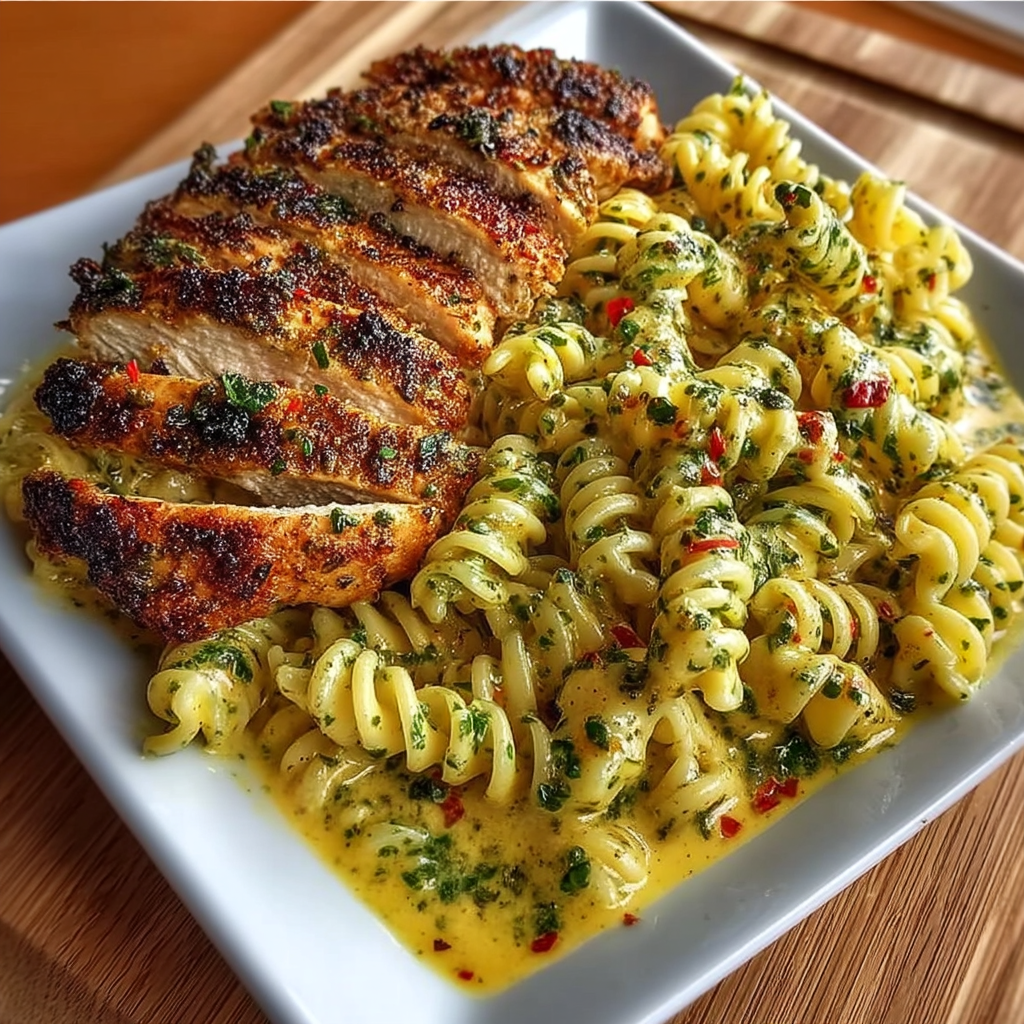
There’s something magical about the moment when perfectly seared chicken meets a silky, garlic-infused Parmesan cream sauce. Last winter, during one of those exhausting weeknights when takeout seemed like the only option, I decided to experiment with ingredients I already had in my kitchen. What emerged from that spontaneous cooking session was this incredibly satisfying pasta dish that has since become my family’s most-requested dinner.
The beauty of this recipe lies in its perfect balance – tender chunks of golden chicken, al dente pasta, and a luxuriously creamy sauce that clings to every bite. Moreover, it comes together in just 30 minutes, making it ideal for busy weeknights when you crave something both comforting and impressive.
Why You’ll Fall in Love with This Recipe
Restaurant-quality flavor at home: This dish rivals any Italian restaurant’s signature pasta, yet it’s surprisingly simple to master in your own kitchen.
One-pan convenience: After cooking the pasta separately, everything else happens in a single skillet, which means minimal cleanup and maximum flavor development.
Perfectly balanced richness: The combination of heavy cream, chicken broth, and freshly grated Parmesan creates a sauce that’s luxurious without being overwhelming.
Customizable heat level: Whether you prefer mild comfort food or want to add some excitement with red pepper flakes, this recipe adapts beautifully to your taste preferences.
Family-friendly appeal: Even picky eaters gravitate toward this creamy, cheesy combination that feels both familiar and special.
Essential Ingredients
Main Components
- 2 large boneless, skinless chicken breasts (cut into 1-inch cubes)
- 1 lb twisted pasta (fusilli, penne, or rotini work perfectly)
- 3 Tbsp unsalted butter (divided for cooking)
- 4-5 cloves fresh garlic (minced for maximum flavor impact)
- 1½ cups heavy cream (the foundation of your velvety sauce)
- ½ cup chicken broth (for deglazing and achieving the perfect consistency)
- 1 cup freshly grated Parmesan cheese (avoid pre-shredded for best melting results)
Seasonings & Garnish
- 1 tsp Italian seasoning (divided between chicken and sauce)
- ¼ tsp red pepper flakes (optional, for subtle heat)
- Salt and black pepper (to taste)
- 2 Tbsp fresh parsley (chopped, for vibrant finishing touch)
Serving Suggestions
This pasta pairs beautifully with a crisp Caesar salad, garlic bread, or roasted vegetables like asparagus or broccoli. Additionally, a glass of Pinot Grigio or Chardonnay complements the creamy richness perfectly.
Step-by-Step Instructions
Preparing the Foundation
Step 1: Cook the pasta perfectly Bring a large pot of generously salted water to a rolling boil. Add your chosen pasta and cook according to package directions until al dente – this ensures it won’t become mushy when tossed with the sauce later. Before draining, reserve ½ cup of the starchy pasta water, which will help create a silky, clinging sauce.
Step 2: Achieve golden-brown chicken While the pasta cooks, pat the chicken cubes completely dry with paper towels. Season them evenly with salt, pepper, and half of the Italian seasoning. Heat 1 tablespoon of butter in a large skillet over medium-high heat. Once the butter stops foaming, add the seasoned chicken pieces in a single layer, ensuring they don’t overlap. Sear for 3-4 minutes per side until golden brown and cooked through (internal temperature of 165°F). Transfer the chicken to a plate, keeping those flavorful drippings in the pan.
Creating the Signature Sauce
Step 3: Build the aromatic base Reduce heat to medium and add the remaining 2 tablespoons of butter to the same skillet. Once melted, add the minced garlic and optional red pepper flakes. Cook for 30-60 seconds, stirring constantly, until the garlic becomes fragrant but not browned – this timing is crucial for avoiding bitter flavors.
Step 4: Deglaze and develop flavors Pour in the chicken broth, scraping up all those delicious browned bits from the bottom of the pan with a wooden spoon. These fond particles add incredible depth to your sauce. Allow the broth to simmer for about a minute.
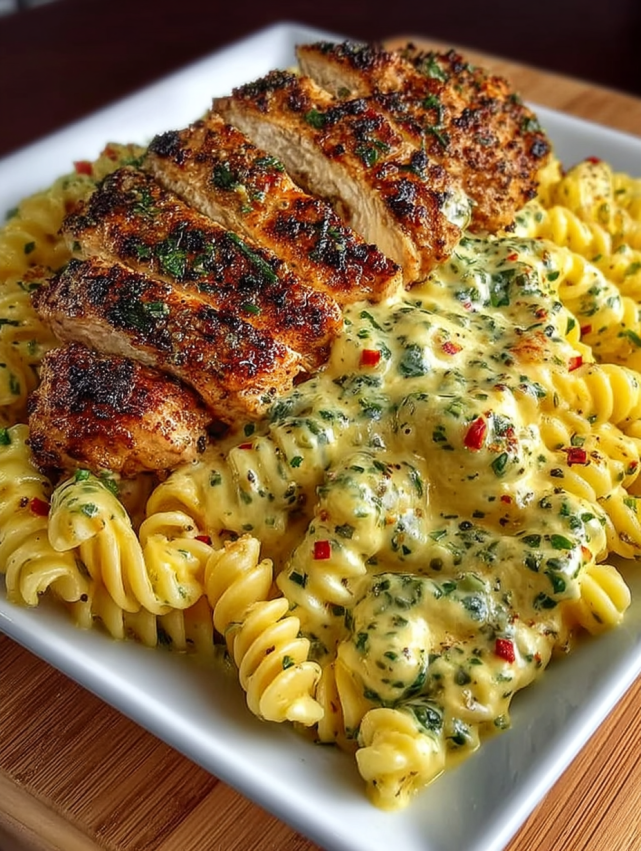
Step 5: Create the creamy base Stir in the heavy cream and remaining Italian seasoning. Let this mixture simmer gently for 2-3 minutes, allowing it to thicken slightly. The sauce should coat the back of a spoon lightly at this stage.
The Final Assembly
Step 6: Incorporate the Parmesan Reduce heat to low – this step is essential to prevent the cheese from clumping. Gradually whisk in the freshly grated Parmesan cheese, adding it in small handfuls while whisking continuously. The sauce should become smooth and glossy.
Step 7: Bring it all together Return the seared chicken (along with any accumulated juices) to the skillet. Add the drained pasta and gently toss everything together using tongs or a large spoon. If the sauce seems too thick, gradually add splashes of the reserved pasta water until you achieve a silky consistency that coats each piece of pasta beautifully.
Step 8: Final seasoning and serving Taste and adjust seasoning with additional salt and pepper as needed. Garnish with freshly chopped parsley for color and freshness, then serve immediately while the sauce is at its creamiest.
Creative Serving Ideas
Classic Presentation
Serve in warmed pasta bowls with additional grated Parmesan on the side and crusty bread for soaking up every drop of sauce.
Elevated Dinner Party Style
Present on individual plates with a sprinkle of extra red pepper flakes, a few whole peppercorns, and a small side of mixed greens dressed with lemon vinaigrette.
Family-Style Comfort
Transfer to a large serving bowl and let everyone help themselves, accompanied by garlic knots and a simple green salad.
Delicious Recipe Variations
Vegetable Additions
Garden fresh version: Stir in sautéed mushrooms, bell peppers, or zucchini during the sauce-making process. These vegetables add color, nutrition, and complementary flavors without overwhelming the dish.
Spinach lovers: Add a few handfuls of fresh baby spinach during the final tossing stage – it will wilt perfectly and provide a lovely pop of green.
Protein Alternatives
Shrimp variation: Replace chicken with 1 pound of large shrimp, cooking for just 2-3 minutes per side until pink and opaque.
Turkey option: Use leftover roasted turkey cut into bite-sized pieces, adding it during the final tossing stage to warm through.
Sauce Modifications
Wine-enhanced version: Replace ¼ cup of the heavy cream with dry white wine, adding it after the chicken broth and simmering for an additional minute to cook off the alcohol.
Herb-forward twist: Incorporate fresh thyme, basil, or oregano along with the parsley for a more complex herb profile.
Smart Make-Ahead Tips
Preparation Strategies
Chicken prep: Cut and season the chicken up to 24 hours in advance, storing it covered in the refrigerator. This actually helps the seasonings penetrate the meat more thoroughly.
Garlic shortcut: Mince garlic and store it in a small container with a drizzle of olive oil to prevent browning.
Partial Assembly Method
Cook the chicken completely and prepare the sauce base (through adding the cream) up to 2 hours ahead. When ready to serve, gently reheat the sauce, add the Parmesan, and toss with freshly cooked pasta.
Storage Solutions
Leftover pasta keeps in the refrigerator for up to 3 days. When reheating, add a splash of cream or milk to restore the sauce’s creamy consistency, heating gently to avoid curdling.
Professional Chef Notes
Cheese selection matters: Parmigiano-Reggiano offers the most complex flavor, but good-quality domestic Parmesan works well too. Avoid the powdered variety completely – it won’t melt properly and lacks the rich flavor this dish deserves.
Temperature control: Keeping the heat at medium or lower once you add the cream prevents the sauce from breaking or curdling. Patience at this stage ensures a perfectly smooth result.
Pasta water magic: The starchy pasta water isn’t just for thinning – it helps bind the sauce to the pasta, creating that glossy, restaurant-quality finish that makes each bite perfectly coated.
Wine pairing enhancement: If you add wine to the sauce, choose something you’d enjoy drinking with the meal. A crisp Pinot Grigio or unoaked Chardonnay works beautifully both in the sauce and in your glass.
Frequently Asked Questions
Can I use milk instead of heavy cream? While you can substitute whole milk, the sauce won’t be as rich or stable. For best results, use at least half-and-half, and consider adding a tablespoon of flour to help thicken and stabilize the lighter dairy.
What if my sauce breaks or looks curdled? This usually happens from too-high heat or adding cheese too quickly. Remove from heat immediately and whisk in a tablespoon of cold butter or cream. If that doesn’t work, blend the sauce briefly with an immersion blender.
Can I make this dish gluten-free? Absolutely! Use your favorite gluten-free pasta variety and ensure your chicken broth is certified gluten-free. The cooking method remains exactly the same.
How do I prevent the chicken from drying out? Don’t overcook it! Chicken cubes cook quickly, so 3-4 minutes per side is usually sufficient. Using a meat thermometer to check for 165°F internal temperature ensures perfect doneness without drying.
Can I freeze leftover portions? Cream-based sauces don’t freeze particularly well, as they can separate when thawed. However, you can freeze the cooked chicken separately and make fresh sauce when you’re ready to enjoy it again.
What’s the best way to reheat leftovers? Reheat gently in a large skillet over low heat, adding splashes of cream, milk, or pasta water to restore the sauce consistency. Microwave reheating tends to make the sauce grainy, so stovetop is preferable.