
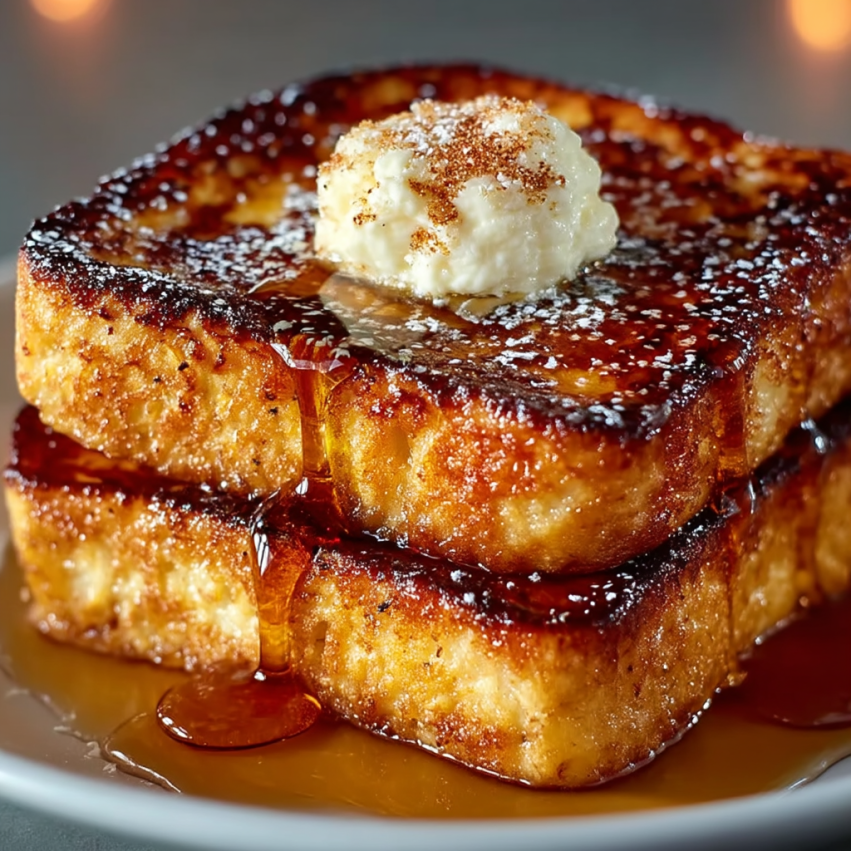
There’s something magical about autumn mornings when the air turns crisp and the kitchen fills with the warm scent of cinnamon and pumpkin. Last October, I was experimenting with leftover pumpkin puree from my pie-making adventures, and inspiration struck. Why not transform classic French toast into a cozy fall celebration? After a few delicious trials, this Pumpkin French Toast was born, and it quickly became my family’s weekend breakfast tradition. My kids now request it year-round, proving that pumpkin isn’t just for fall anymore.
This recipe feels like a warm hug on a plate. Moreover, it’s surprisingly simple to make, requiring just one bowl and about 20 minutes from start to finish. The pumpkin adds natural moisture and richness while keeping each slice tender on the inside with perfectly golden, slightly crispy edges.
Why You’ll Love This Recipe
First and foremost, this pumpkin French toast delivers incredible flavor without complicated techniques. The warm spices—cinnamon, nutmeg, and ginger—blend beautifully with the earthy sweetness of pumpkin puree, creating a breakfast that tastes like autumn in every bite. Unlike traditional French toast that can sometimes feel heavy, the pumpkin adds a lightness and subtle sweetness that makes each slice feel indulgent yet balanced.
Additionally, this recipe is incredibly versatile. Whether you’re using dairy milk or your favorite non-dairy alternative, it works perfectly. The thick slices of brioche or challah soak up just enough batter to stay custardy in the center while developing that signature golden crust we all crave. Plus, it’s an excellent way to sneak extra nutrients into breakfast—pumpkin is packed with vitamin A and fiber, making this a treat you can feel good about serving your family.
What truly sets this recipe apart is how well it holds up to customization. From chocolate chips to savory bacon pairings, you can adapt it to match your mood or dietary preferences without losing that comforting pumpkin essence.
Ingredients You’ll Need
For the Bread
- 4 slices thick brioche or challah bread – The thick, slightly sweet bread creates the perfect base for soaking up the pumpkin batter
For the Batter
- 1 cup pumpkin puree – Use pure pumpkin, not pumpkin pie filling
- 2 large eggs – Provides structure and richness
- 1 cup whole milk or non-dairy alternative – Coconut milk or oat milk work wonderfully
- 1 teaspoon vanilla extract – Enhances the warm flavors
- 1 teaspoon ground cinnamon – The star spice
- 1/2 teaspoon ground nutmeg – Adds depth
- 1/4 teaspoon ground ginger – Brings subtle warmth
- 1/4 teaspoon salt – Balances the sweetness
- 2 tablespoons brown sugar (optional) – For those who prefer a sweeter breakfast
For Cooking
- Butter or oil – I prefer butter for its rich flavor
For Serving
- Maple syrup – The classic finishing touch
- Powdered sugar (optional) – Adds elegance
- Chopped pecans or walnuts (optional) – For crunch and nuttiness
Step-by-Step Instructions
Preparing the Batter
Start by gathering your large mixing bowl and whisk. In the bowl, combine the pumpkin puree, eggs, and milk, whisking vigorously until the mixture is completely smooth and well blended. You don’t want any lumps of pumpkin remaining—the consistency should be silky and uniform.
Next, add the vanilla extract along with all your warm spices: cinnamon, nutmeg, ginger, and salt. If you’re using the optional brown sugar, toss it in now. Whisk everything thoroughly until the spices are evenly distributed throughout the batter. The mixture should smell absolutely incredible at this point, like a pumpkin pie in liquid form.
Let the batter rest for about 3-5 minutes while you prepare your cooking station. This brief resting period allows the flavors to meld together beautifully, creating a more cohesive taste in the finished French toast.
Cooking Your French Toast
Place your skillet or griddle over medium heat and allow it to warm up properly—this takes about 2 minutes. Once heated, add a tablespoon of butter and let it melt completely, swirling to coat the entire cooking surface. The butter should sizzle gently but not brown immediately, which indicates your heat is just right.
Take your first slice of bread and dip it into the pumpkin batter, making sure both sides get a good coating. Let the bread sit in the batter for about 5-10 seconds per side, allowing it to absorb the mixture without becoming so soggy that it falls apart. The thick bread should feel heavier but still hold its shape.
Carefully transfer the soaked bread to your hot skillet, laying it flat without overcrowding the pan. Depending on your skillet size, you might cook 2 slices at a time. Let the bread cook undisturbed for 3-4 minutes—resist the urge to peek too early! You’ll know it’s ready to flip when the edges start to look set and the underside is golden brown with slight caramelization.
Finishing and Serving
Using a spatula, flip each slice gently and cook for another 3-4 minutes on the second side. The French toast should develop a beautiful golden-brown color with slightly darker edges that promise the perfect crispy texture. When both sides are done, the bread should feel firm to the touch but still have a slight give in the center.
Transfer the cooked slices to a warm plate and repeat the process with the remaining bread. Remember to add a bit more butter to the skillet between batches to prevent sticking and maintain that rich, buttery flavor.
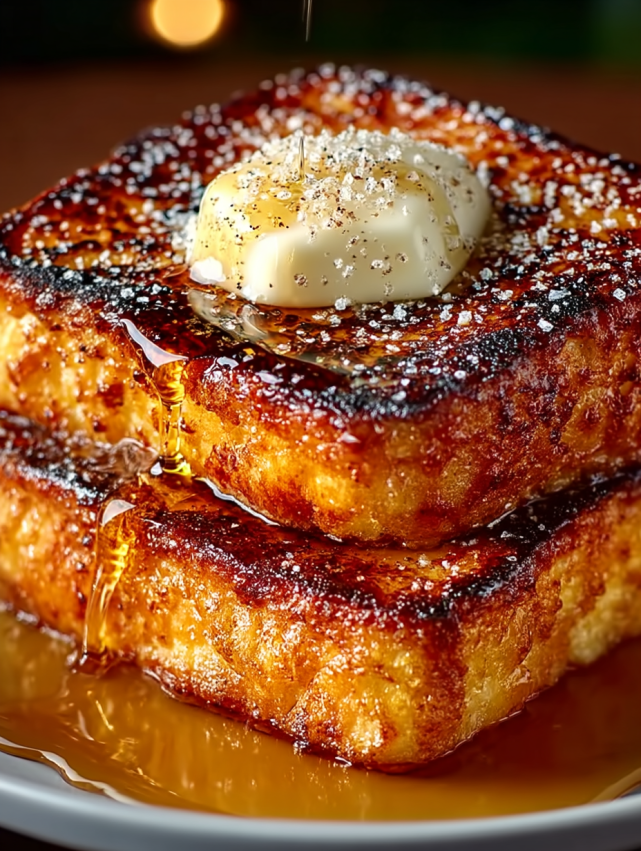
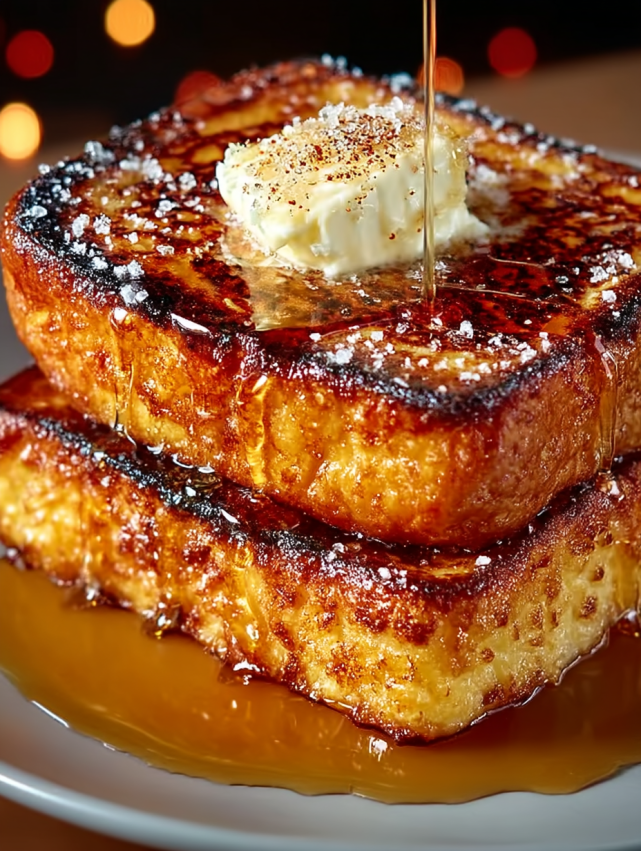
Stack two slices on each serving plate, creating an inviting presentation. Drizzle generously with warm maple syrup, letting it cascade down the sides. If you’re feeling fancy, dust the top with powdered sugar using a fine-mesh strainer for an elegant finish. Finally, sprinkle chopped pecans or walnuts over the top for added texture and a sophisticated touch.
Serving Suggestions
This Pumpkin French Toast shines brightest when served immediately while still warm and slightly crispy on the edges. However, there are countless ways to elevate this already delicious breakfast.
For a truly decadent experience, top your French toast with a dollop of whipped cream—either traditional or coconut whipped cream for a dairy-free option. The cool, airy cream provides a wonderful contrast to the warm, spiced toast. Alternatively, a spoonful of Greek yogurt adds tanginess and extra protein, making your breakfast more satisfying and nutritionally balanced.
Fresh fruit makes an excellent companion to the rich pumpkin flavors. Try sliced bananas, which complement the warm spices beautifully, or apple slices sautéed in a bit of butter and cinnamon for a double dose of fall flavors. Berries—especially cranberries or pomegranate seeds—add a tart pop that cuts through the sweetness.
For those who enjoy a sweet-savory combination, crispy bacon or breakfast sausage on the side creates perfect balance. The salty, savory meat contrasts wonderfully with the sweet, spiced French toast. You could also try a fried egg on top with a runny yolk that creates its own rich sauce when broken.
Recipe Variations
Stuffed Pumpkin French Toast
Transform this recipe into something extra special by creating stuffed French toast. Before dipping your bread in batter, spread cream cheese mixed with a bit of maple syrup between two slices, creating a sandwich. Then dip and cook as directed. The cream cheese melts slightly inside, creating a luscious, cheesecake-like filling that takes this breakfast to restaurant-quality levels.
Chocolate Chip Pumpkin Delight
For chocolate lovers, stir 1/4 cup of mini chocolate chips directly into the pumpkin batter before dipping the bread. The chocolate melts slightly during cooking, creating pockets of melty goodness throughout. Dark chocolate chips work particularly well, as their slight bitterness balances the sweet pumpkin perfectly.
Cranberry Orange Twist
Add 1/2 teaspoon of orange zest to your batter for a bright, citrusy note that pairs beautifully with pumpkin. Fold in 2 tablespoons of dried cranberries for tart, chewy bursts of flavor. Top the finished French toast with orange-maple syrup made by whisking together equal parts maple syrup and fresh orange juice.
Savory Pumpkin Version
Not everyone wants sweet for breakfast! Create a savory version by omitting the brown sugar and vanilla, then adding 1/4 teaspoon of black pepper and a pinch of cayenne to the batter. Serve topped with a fried egg, crumbled goat cheese, and crispy sage leaves for a sophisticated brunch dish.
Make-Ahead Tips
Planning ahead can make breakfast time even easier, especially on busy weekday mornings. This recipe offers several convenient make-ahead options.
The batter itself stores beautifully in the refrigerator for up to 2 days. Simply prepare it as directed, transfer to an airtight container, and refrigerate. When you’re ready to use it, give the batter a good stir or whisk, as the pumpkin may settle to the bottom. The flavors actually deepen slightly overnight, making day-two French toast even more flavorful.
You can also prepare the French toast completely and store cooked slices in the refrigerator for 3-4 days. Layer the cooled slices between parchment paper to prevent sticking, then store in an airtight container. Reheat in a 350°F oven for about 10 minutes, or pop them in the toaster for a quick breakfast that tastes freshly made.
For longer storage, freeze cooked French toast slices for up to 2 months. Flash-freeze them individually on a baking sheet for about an hour, then transfer to a freezer bag with parchment paper between slices. Toast straight from frozen for about 5 minutes, or thaw overnight in the refrigerator and reheat in a skillet for best results.
Notes
- Bread choice matters: Thick-sliced brioche or challah works best because they’re sturdy enough to soak up the batter without falling apart. Day-old bread actually works better than fresh, as it’s slightly drier and absorbs more batter.
- Temperature control is key: Medium heat is crucial. If your heat is too high, the outside will burn before the inside cooks through. Conversely, too low and your French toast will be soggy instead of crispy.
- Pumpkin puree vs. pie filling: Always use pure pumpkin puree, not pumpkin pie filling, which contains added sugars and spices that will throw off the recipe’s balance.
- Non-dairy options: This recipe is easily adaptable for dairy-free diets. Use almond milk, oat milk, or coconut milk in place of regular milk, and cook with coconut oil or vegan butter instead of dairy butter.
- Spice adjustments: Feel free to adjust the spices to your taste. Some people prefer more cinnamon, while others love extra ginger for more bite. Start with the recipe as written, then customize in future batches.
Tools You’ll Need
- Large mixing bowl – For combining all batter ingredients
- Whisk – Essential for creating a smooth, lump-free batter
- Skillet or griddle – A non-stick or well-seasoned cast iron works best
- Spatula – Choose one wide enough to flip the French toast without breaking it
- Measuring cups and spoons – For accurate ingredient portions
- Fine-mesh strainer (optional) – For dusting powdered sugar
Allergy Information
This recipe contains common allergens including eggs, dairy (if using regular milk and butter), and gluten from the bread. However, it’s quite adaptable for various dietary restrictions.
For egg allergies, you can substitute the 2 eggs with 2 flax eggs (2 tablespoons ground flaxseed mixed with 6 tablespoons water, left to gel for 5 minutes). The texture will be slightly different but still delicious.
Those with dairy sensitivities can easily use non-dairy milk alternatives and vegan butter without compromising flavor. Coconut milk creates an especially rich, creamy batter.
For gluten-free diets, simply use your favorite thick-sliced gluten-free bread. Look for varieties that are sturdy enough to hold up to soaking—some gluten-free breads are too delicate and will fall apart.
Always read ingredient labels carefully, especially for pre-packaged bread and any toppings, as formulations can vary by brand. If you have severe allergies, consult with a healthcare provider before trying new recipes.
Frequently Asked Questions
Can I use fresh pumpkin instead of canned puree?
Absolutely! Fresh pumpkin works wonderfully. You’ll need to roast a small sugar pumpkin, scoop out the flesh, and puree it until smooth. Just make sure to drain excess liquid by placing the puree in a fine-mesh strainer for 15-20 minutes, as fresh pumpkin tends to be more watery than canned. The extra effort creates incredibly fresh flavor that’s worth it when pumpkins are in season.
My French toast is soggy in the middle. What went wrong?
This usually happens for one of two reasons: either your bread soaked too long in the batter, or your cooking temperature was too high. Try dipping the bread for just 5-10 seconds per side next time, and make sure your heat is at true medium—not medium-high. The French toast needs time to cook through gently without burning the outside.
Can I make this recipe without eggs?
Yes! While eggs provide structure and richness, you can substitute with flax eggs or even just increase the pumpkin puree by 1/4 cup and add 1 tablespoon of cornstarch to help bind everything together. The texture will be slightly different—more custard-like and less fluffy—but still delicious.
How do I prevent the French toast from sticking to my pan?
Make sure your pan is properly heated before adding butter, and use enough fat to coat the surface generously. Don’t move or flip the French toast too early—let it develop a proper crust first, which naturally releases from the pan. If you’re still having issues, a non-stick pan or well-seasoned cast iron skillet makes all the difference.
Can I double this recipe for a crowd?
Definitely! This recipe doubles or triples easily. Just keep your cooked French toast warm in a 200°F oven on a baking sheet while you finish cooking the remaining batches. This way, everyone can eat together and enjoy hot French toast at the same time.
What’s the best way to reheat leftover pumpkin French toast?
For the crispiest results, reheat in a toaster or toaster oven until warmed through and the edges crisp up again. You can also use a regular oven at 350°F for about 10 minutes. Avoid the microwave if possible, as it makes French toast soggy rather than maintaining that desirable crispy exterior.
Can I prep the bread in the batter the night before?
While you can refrigerate the batter overnight, I don’t recommend soaking the bread ahead of time. The bread will become too saturated and may fall apart when cooking. Instead, keep the batter and bread separate, then dip and cook fresh in the morning for the best texture.
Head chef creating elegant dining experiences and beautiful table settings