
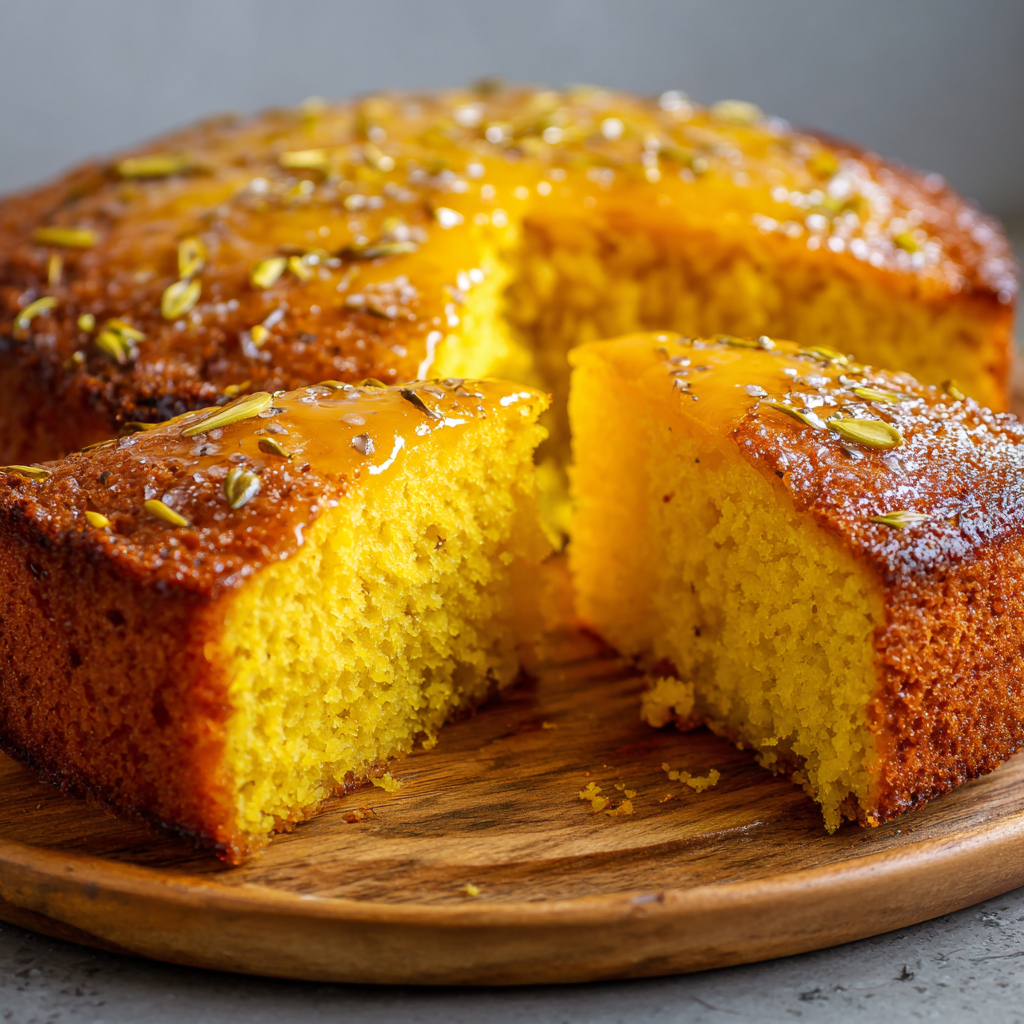
The first time I tasted saffron cake was at a Persian friend’s wedding, and I was completely mesmerized by its golden hue and intoxicating aroma. Since then, I’ve been perfecting my own version, combining the luxury of saffron with the warm embrace of cardamom. This cake isn’t just dessert—it’s an experience that transports you to bustling spice markets and sun-drenched Middle Eastern courtyards with every bite.
What makes this recipe truly special is how it balances sophistication with approachability. While saffron might seem intimidating, this straightforward method ensures success every time, even for beginners.
Why You’ll Fall in Love with This Saffron Cardamom Cake
It’s a show-stopping centerpiece that looks as impressive as it tastes. The natural golden color from saffron creates an Instagram-worthy dessert without any artificial dyes or complicated techniques.
The flavor combination is absolutely divine. Saffron brings subtle floral notes with a hint of earthiness, while cardamom adds warm, citrusy spice that makes each bite feel luxurious. Together, they create a harmony that’s both exotic and comforting.
This cake is surprisingly versatile for any occasion. Whether you’re hosting an elegant dinner party, celebrating a special milestone, or simply treating yourself to something extraordinary, this dessert delivers every single time.
Additionally, the recipe is more forgiving than you’d expect from such a luxurious cake. The combination of butter, eggs, and cream creates a moist, tender crumb that stays fresh for days.
Premium Ingredients for Exceptional Results
Essential Components
- 250g wheat flour – creates the perfect cake structure
- 200g sugar – balances the exotic spice flavors
- 150g soft butter – ensures rich, tender crumb
- 4 eggs – provide structure and luxurious richness
- 1/2 teaspoon saffron – the golden star ingredient
- 1 teaspoon ground cardamom – adds warm, aromatic complexity
- 1 teaspoon baking powder – creates perfect rise
- 200ml milk – adds moisture and tenderness
- 100ml whipping cream – for the elegant topping
Ingredient Quality Matters
Always purchase saffron from reputable sources, as quality varies dramatically and affects both flavor and color. I learned this the hard way after buying cheap saffron that barely colored the cake and contributed almost no flavor. Authentic saffron should have deep red threads with slight orange tips and an intoxicating aroma.
Furthermore, freshly ground cardamom pods deliver far superior flavor compared to pre-ground versions that may have lost their essential oils. If possible, crack open green cardamom pods and grind the black seeds yourself using a mortar and pestle or spice grinder. The difference in fragrance alone will convince you it’s worth the extra two minutes of effort.
Detailed Step-by-Step Instructions
Preparation Phase
Step 1: Organize your workspace by bringing all ingredients to room temperature—this crucial step ensures smooth mixing and even texture throughout the cake. Cold eggs can cause butter to seize, while cold butter won’t cream properly with sugar.
Step 2: Activate the saffron by soaking the precious threads in 2 tablespoons of warm milk. This releases the maximum flavor and creates that beautiful golden color that makes this cake so visually stunning. Let it steep for at least 10 minutes while you prepare other ingredients; the milk will turn a gorgeous amber color.
Creating the Perfect Batter
Step 3: Cream butter and sugar using an electric mixer until the mixture becomes light, fluffy, and pale in color. This process typically takes 3-4 minutes on medium-high speed and creates the foundation for a tender cake. Don’t rush this step—proper creaming incorporates air that helps the cake rise beautifully.
Step 4: Incorporate eggs gradually by adding them one at a time, beating well after each addition. This prevents the mixture from curdling and ensures smooth, even texture. After each egg, mix for about 30 seconds before adding the next one.
Combining Dry and Wet Ingredients
Step 5: Prepare the spice mixture by combining flour, baking powder, cardamom, and the saffron-milk mixture in a separate bowl. Whisk everything together to distribute the spices evenly. The saffron will create beautiful golden streaks throughout the flour.
Step 6: Alternate wet and dry ingredients by adding the flour mixture and remaining milk to the butter mixture in three additions, beginning and ending with flour. Mix just until combined to avoid developing too much gluten, which can make the cake tough. Some small lumps are perfectly fine—overmixing is your enemy here.
Baking to Golden Perfection
Step 7: Bake with precision by pouring the batter into a greased and floured 9-inch round pan, then baking at 180°C (350°F) for 30-35 minutes until a skewer inserted in the center comes out clean. The cake should be golden on top and spring back when gently pressed.
Final Touches
Step 8: Prepare the topping by whipping the cream until stiff peaks form—be careful not to overwhip, as this can make the cream grainy and eventually turn it into butter. Stop when the cream holds its shape but still looks smooth and glossy.
Step 9: Assemble beautifully by spreading the whipped cream over the completely cooled cake, creating an elegant contrast between the golden cake and pristine white cream. Use a spatula to create gentle swirls or keep it smooth and minimalist—both approaches look stunning.
Step 10: Serve with pride by slicing the cake into generous portions, allowing guests to admire the beautiful golden crumb before taking their first heavenly bite. A sharp knife dipped in hot water and wiped clean between cuts will give you the cleanest slices.
Creative Serving Suggestions
Traditional Presentation
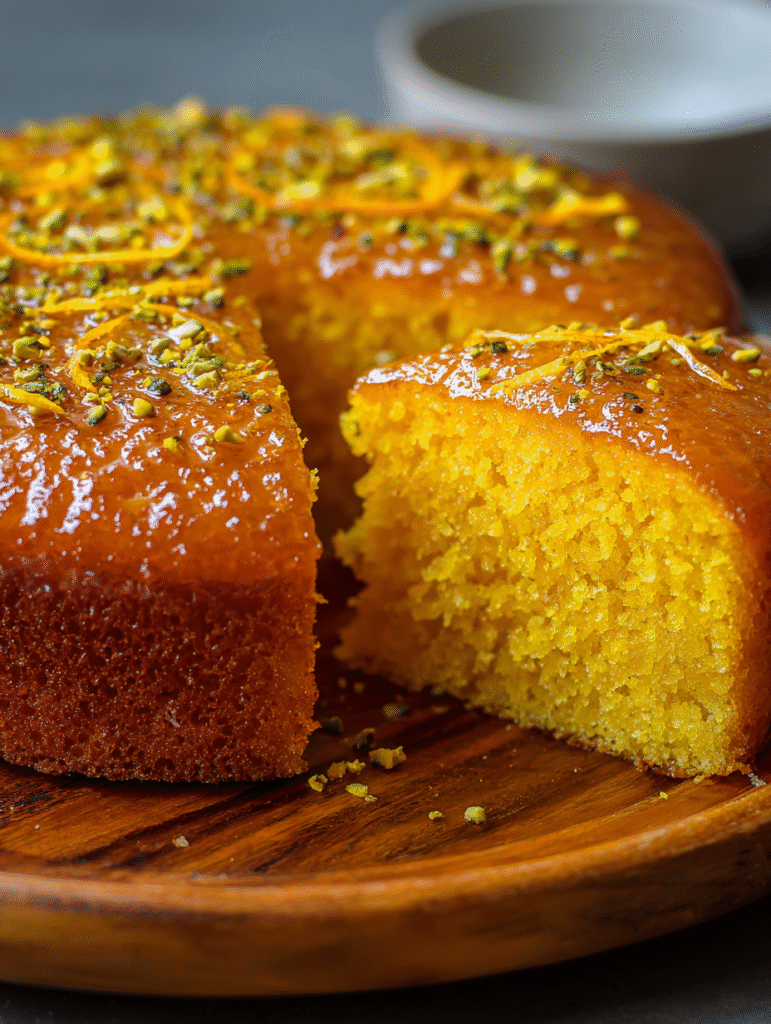
Serve this cake at room temperature to allow the saffron and cardamom flavors to fully bloom. A simple dusting of finely chopped pistachios or edible gold flakes can enhance the Middle Eastern aesthetic beautifully. I love adding a few whole saffron threads on top of the whipped cream as a garnish—it signals to guests what delicious flavors await them.
Elegant Dinner Party Style
Create individual portions by cutting the cake into squares and plating with a dollop of whipped cream, a few saffron threads, and fresh berries for color contrast. This presentation transforms a simple cake into a restaurant-quality dessert that will have your guests asking for the recipe.
Alternatively, serve wedges on vintage china with a side of sweetened Greek yogurt infused with rose water. The tangy yogurt cuts through the richness perfectly.
Afternoon Tea Accompaniment
Serve smaller slices alongside Persian tea or cardamom-spiced coffee for an authentic cultural experience that your guests will never forget. The warm spices in the beverage echo the flavors in the cake, creating a harmonious pairing.
Exciting Recipe Variations
Pistachio-Saffron Delight
Fold 100g of chopped pistachios into the batter for added texture and authentic Middle Eastern flavor. The nuts complement both saffron and cardamom beautifully while adding visual appeal with their vibrant green color. Toast the pistachios lightly before chopping to intensify their flavor even more.
Rose-Scented Version
Add 1/2 teaspoon of rose water along with the saffron for an incredibly aromatic variation that’s popular in Persian cuisine. The floral notes create an even more exotic experience that reminds me of walking through a rose garden in full bloom. Just be careful not to add more than suggested, as rose water can quickly become overpowering.
Honey-Glazed Option
Replace the whipped cream with a honey glaze made from 3 tablespoons honey, 2 tablespoons butter, and a pinch of saffron. This creates a glossy, intensely flavored finish that’s perfect for those who prefer their desserts on the sweeter side. Warm the ingredients together until smooth, then drizzle over the cooled cake.
Orange-Cardamom Twist
Add the zest of one large orange to the batter and replace 50ml of milk with fresh orange juice. This citrus addition brightens the warm spices and creates a more refreshing version perfect for spring and summer gatherings.
Make-Ahead Tips for Stress-Free Entertaining
Advance Preparation
Bake the cake up to two days ahead and store it wrapped tightly in plastic wrap at room temperature. Interestingly, the flavors actually deepen and meld together over the first 24 hours, making this an ideal make-ahead dessert.
Freezing Instructions
This cake freezes beautifully for up to three months when wrapped well. Wrap the cooled, unfrosted cake in plastic wrap, then aluminum foil, and freeze flat. Thaw overnight in the refrigerator before bringing to room temperature and adding the whipped cream topping.
Whipped Cream Strategy
For maximum freshness, always prepare the whipped cream on the day you plan to serve the cake. However, if you’re really pressed for time, you can stabilize the whipped cream by adding 1 tablespoon of powdered sugar and 1/2 teaspoon of vanilla extract, which will keep it fresh for up to 24 hours in the refrigerator.
Important Notes for Success
Saffron quality is everything. Don’t be tempted to buy the cheapest saffron you find—it’s one of those ingredients where you truly get what you pay for. Look for saffron labeled “Grade A” or “Super Negin” for the best flavor and color.
Room temperature ingredients are non-negotiable. I can’t stress this enough—cold ingredients simply won’t combine as smoothly, and you’ll end up with a denser, less tender cake. Plan ahead by setting everything out about an hour before baking.
Don’t overbake this cake. Because of its delicate texture, even a few extra minutes can dry it out. Start checking at 30 minutes, and remember that the cake will continue cooking slightly as it cools in the pan.
Let the cake cool completely before frosting. Adding whipped cream to a warm cake will result in a melted, soupy mess. Patience pays off here—I usually bake the cake in the morning and frost it in the afternoon for evening serving.
Frequently Asked Questions
Can I use milk instead of cream for the topping?
While milk won’t whip like cream does, you can definitely substitute it in the cake batter itself without any issues. For the topping, however, you really need cream with at least 35% fat content to achieve those beautiful, stable peaks. If you prefer a lighter topping, try mascarpone cheese mixed with a bit of honey—it’s delicious and doesn’t require whipping.
My saffron isn’t turning the cake golden—what went wrong?
This usually indicates either low-quality saffron or insufficient steeping time. Make sure you’re letting the saffron steep in warm (not boiling) milk for at least 10 minutes, and give the threads a gentle crush between your fingers before adding them to release more color. Some cooks even steep the saffron overnight in the refrigerator for maximum color extraction.
Can I make this cake without cardamom?
Absolutely! While cardamom adds wonderful complexity, you can omit it or substitute with 1/2 teaspoon of vanilla extract and a pinch of cinnamon. The cake will still be delicious, though it will have a slightly different flavor profile. I’ve also successfully used ground ginger in place of cardamom for a spicier variation.
How do I know when the cake is done?
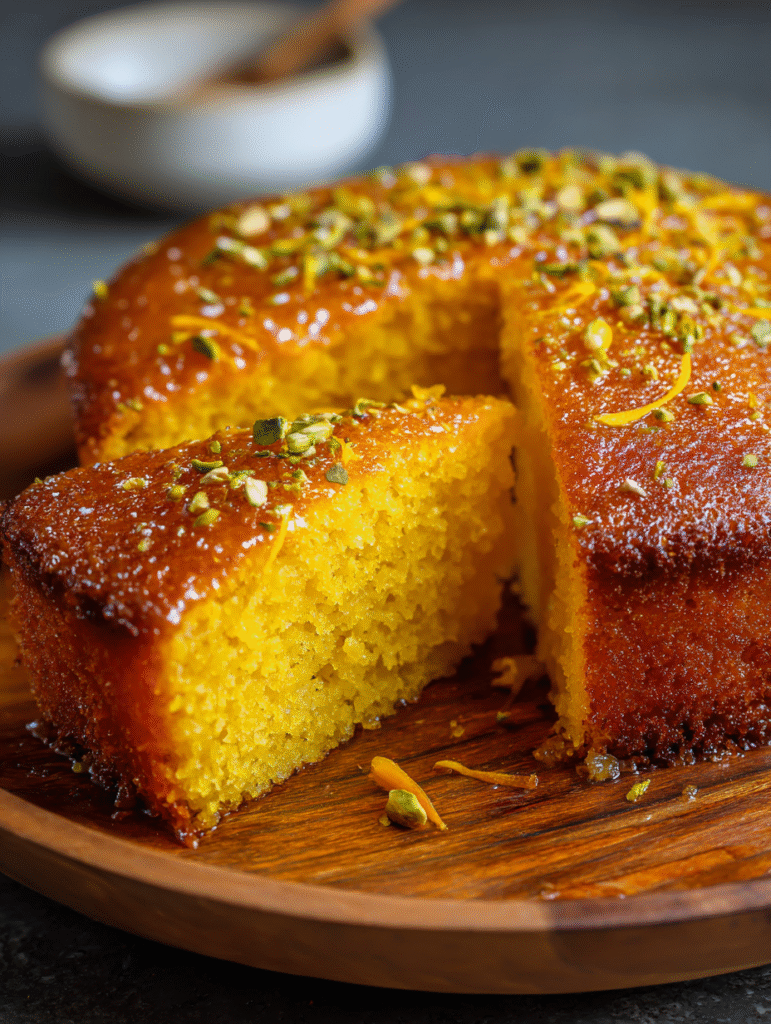
Look for three signs: the cake should be golden brown on top, spring back when lightly pressed in the center, and a toothpick or skewer inserted in the middle should come out with just a few moist crumbs attached. The edges will also start pulling away slightly from the pan sides.
Can I use this recipe to make cupcakes?
Yes! This batter makes about 12 standard cupcakes. Fill the liners two-thirds full and bake at the same temperature for 18-22 minutes. Cupcakes are done when a toothpick comes out clean. They’re perfect for parties since they’re easier to serve than slicing a cake.
Why did my whipped cream turn grainy?
Overwhipping is the culprit here. Once cream reaches stiff peaks, stop immediately—just a few seconds too long and the fat separates, creating that grainy texture. If this happens, you can sometimes save it by gently folding in 1-2 tablespoons of fresh, unwhipped cream.
Is there a substitute for saffron that’s more budget-friendly?
Honestly, there’s no perfect substitute for saffron’s unique flavor, but turmeric can provide the golden color (use just 1/4 teaspoon, as it’s more potent). However, the taste will be quite different—earthier and more pungent. For a special occasion cake like this, I really recommend splurging on real saffron. A little goes a long way, and the leftover threads can be used in rice dishes, teas, or other desserts.