

There’s something wonderfully nostalgic about biting into a warm oatmeal raisin cookie. Growing up, these were always my grandmother’s specialty—the kind she’d pull from the oven just as we arrived for Sunday visits, filling the entire house with the scent of cinnamon and brown sugar. Now, every time I make these cookies, I’m transported back to her cozy kitchen, watching her mix the dough with practiced ease.
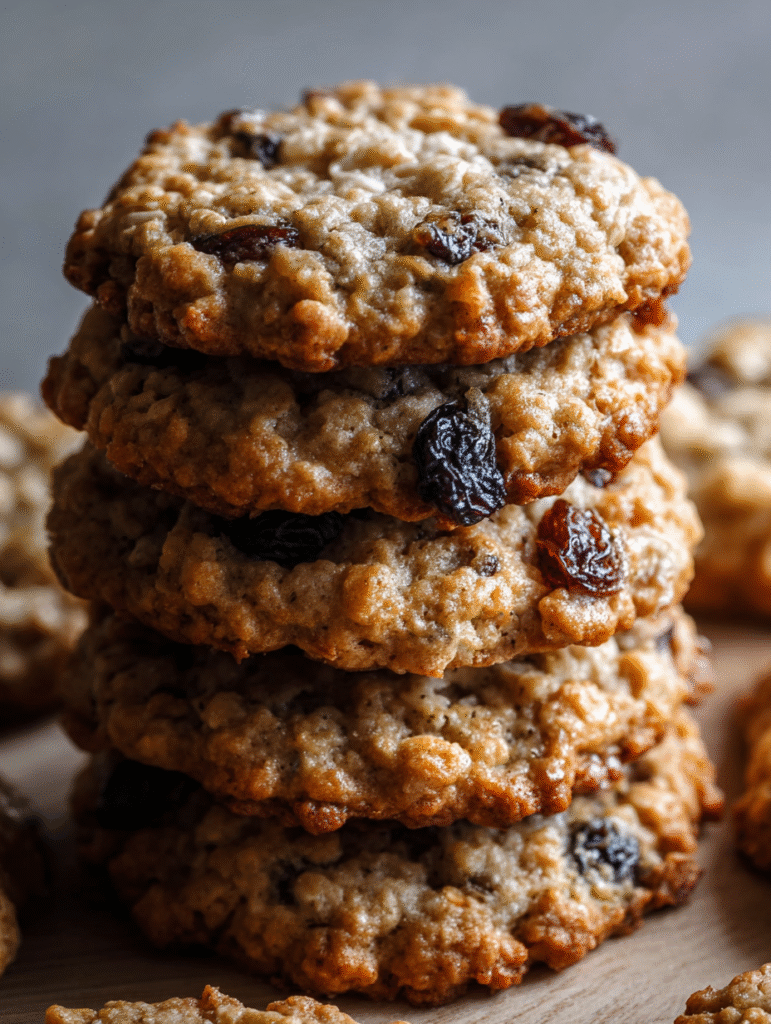
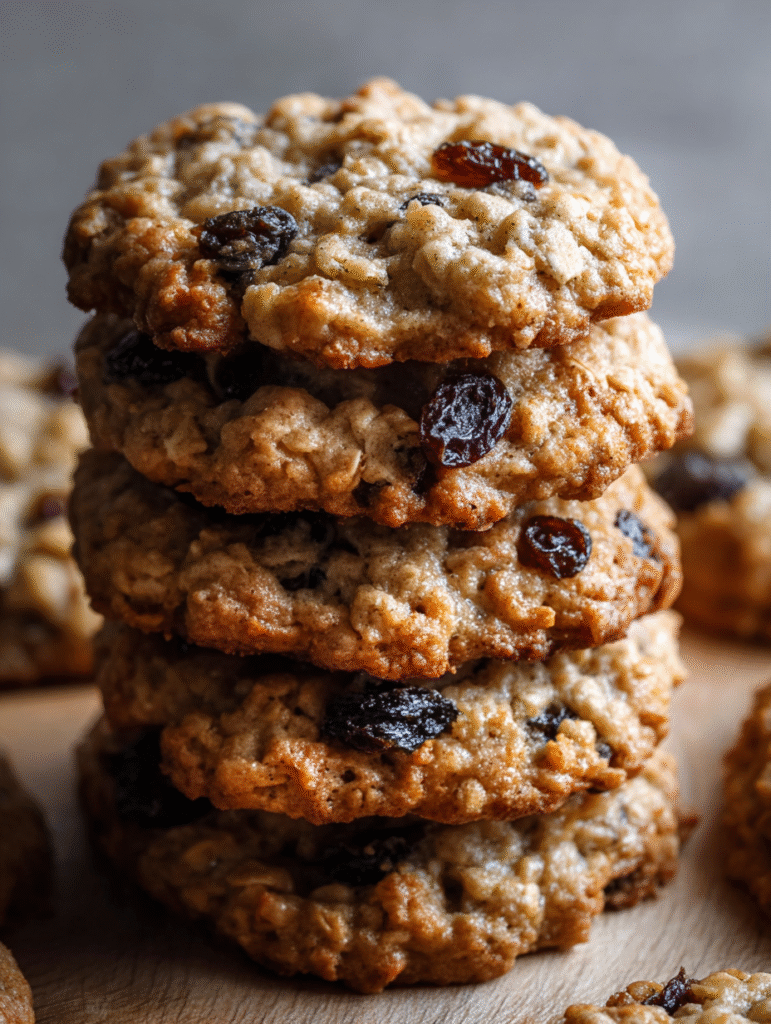
What makes this recipe truly special is how it captures that perfect balance of textures and flavors. The cookies emerge from the oven with crispy golden edges that give way to impossibly soft, chewy centers. Unlike those disappointing, overly crunchy versions you sometimes encounter, these stay tender for days, thanks to the molasses and proper chilling technique.
Why You’ll Love This Recipe
The texture is absolutely perfect. These cookies deliver on the promise of soft and chewy, with just enough structure to hold together beautifully. Each bite offers that satisfying chew that cookie lovers crave, while the edges provide a delicate crispness that adds textural interest.
They’re surprisingly simple to make. Even beginner bakers can achieve excellent results with this straightforward method. There’s no complicated technique involved—just mixing, chilling, and baking. The most challenging part is waiting for them to cool before devouring the entire batch.
The flavor profile hits all the right notes. Brown sugar and molasses create a deep, caramel-like sweetness that’s never cloying. Meanwhile, cinnamon adds warmth without overwhelming the wholesome oat flavor. The raisins provide bursts of natural sweetness throughout, making each cookie feel like a complete experience.
Perfect for Any Occasion
Whether you’re packing school lunches, hosting a casual gathering, or simply treating yourself on a quiet evening, these cookies fit the bill. They’re fancy enough to serve at holiday parties yet comforting enough for everyday enjoyment. Plus, they transport beautifully, making them ideal for bake sales, potlucks, or care packages.
Ingredients
Wet Ingredients
- 1 cup (226g) unsalted butter, softened to room temperature
- 1 cup (200g) packed brown sugar (light or dark)
- ¼ cup (50g) granulated sugar
- 2 large eggs, preferably room temperature
- 2 teaspoons pure vanilla extract
- 1 tablespoon (15ml) molasses (unsulphured or dark, not blackstrap)
Dry Components
- 1⅔ cups (209g) all-purpose flour, spooned and leveled
- 1 teaspoon baking soda
- 1½ teaspoons ground cinnamon
- ½ teaspoon salt
- 3 cups (255g) old-fashioned whole rolled oats
- 1 cup (140g) raisins
- Optional: ½ cup (64g) chopped toasted walnuts
The quality of your oats makes a significant difference in the final result. Choose old-fashioned whole oats rather than quick-cooking varieties for optimal texture. Quick oats tend to absorb more moisture and can result in cookies that are too dense or cake-like.
Step-by-Step Instructions
Creating the Base
Step 1: Using either a hand mixer or stand mixer with paddle attachment, cream the softened butter with both sugars on medium speed until the mixture becomes smooth and well-combined, approximately 2 minutes. The butter should be soft enough to leave an indent when pressed but not greasy or melted.
Step 2: Add the eggs one at a time, mixing on high speed until fully incorporated, about 1 minute total. This gradual addition helps create a smooth emulsion. Scrape down the bowl sides and bottom as needed to ensure even mixing and prevent any butter pockets from hiding at the bottom.
Step 3: Pour in the vanilla extract and molasses, then mix on high speed until completely combined. The mixture should be smooth and fragrant, with the molasses adding a gorgeous depth of color and flavor.
Building the Dough
Step 4: In a separate bowl, whisk together the flour, baking soda, cinnamon, and salt until evenly distributed. This simple step ensures the leavening and spices are properly incorporated throughout, preventing pockets of baking soda or cinnamon in your finished cookies.
Step 5: Add the dry ingredients to the wet mixture and mix on low speed just until combined. Be careful not to overmix at this stage, which can lead to tough cookies by developing too much gluten. Once you no longer see streaks of flour, stop mixing.
Step 6: Beat in the oats, raisins, and walnuts (if using) on low speed until evenly distributed. The dough will be thick and quite sticky at this point—this is exactly right. Don’t be tempted to add more flour, as this would result in drier cookies.
Chilling and Preparation
Step 7: Chill the dough in the refrigerator for 30-60 minutes. For cookies that spread less and maintain their shape better, opt for the full hour. If chilling longer than 2 hours, let the dough sit at room temperature for at least 30 minutes before baking. This prevents the cookies from being too cold, which can lead to uneven baking.
Step 8: While the dough chills, preheat your oven to 350°F (177°C) and line two large baking sheets with parchment paper or silicone baking mats. Proper preparation means you can start baking immediately once the dough is ready.
Baking Process
Step 9: Using a cookie scoop or spoon, portion the dough into balls using approximately 2 tablespoons per cookie. This size yields cookies that are about 3 inches in diameter after baking. Place them 2 inches apart on the prepared baking sheets to allow for spreading during baking.
Step 10: Bake for 12-14 minutes until the edges are lightly browned while centers still appear soft and slightly under-baked. This timing is crucial for achieving that perfect chewy texture. The cookies will look underdone in the middle, but they’ll continue cooking as they cool.
Step 11: Allow cookies to cool on the baking sheet for 5 minutes before transferring to a wire rack. This resting period lets them finish setting while maintaining their soft centers. Moving them too soon can cause them to break apart, as they’re quite delicate when hot.
Serving Suggestions
These cookies are absolutely perfect on their own, but they become even more special when thoughtfully presented. Serve them warm with a tall glass of cold milk for the classic experience that never gets old. Alternatively, pair them with hot coffee or tea for an afternoon treat that feels both comforting and sophisticated.
For special occasions, create a cookie platter alongside other homemade favorites like chocolate chip or snickerdoodles. They also make wonderful additions to lunch boxes or picnic baskets since they travel well and stay fresh. The hearty oats and raisins make them feel almost wholesome enough to justify eating for breakfast—though I won’t officially endorse that idea.
During holidays, wrap them in cellophane bags with festive ribbons for thoughtful homemade gifts. Everyone appreciates receiving homemade cookies, and these are impressive enough to show you care while being approachable enough that recipients won’t feel guilty eating them all at once.
Creative Recipe Variations
Tropical Twist
Replace the raisins with dried pineapple and coconut flakes for a tropical flavor profile that feels like a vacation in cookie form. Add a pinch of lime zest to brighten the overall taste and create something unexpectedly delightful. This variation is particularly wonderful during summer months when you’re craving something lighter and fruitier.
Autumn Spice
Enhance the warm spice profile by adding ¼ teaspoon each of nutmeg and ginger alongside the cinnamon. These additional spices create a deeper, more complex warmth reminiscent of fall baking. Consider substituting dried cranberries for raisins to complement the seasonal flavors and add a pleasant tartness that balances the sweetness beautifully.
Chocolate Lover’s Version
Fold in ¾ cup of mini chocolate chips along with or instead of the raisins. The chocolate adds richness while maintaining the cookie’s signature texture and oat flavor. For an extra-decadent treat, use a combination of dark and milk chocolate chips to create layers of chocolate intensity.
Maple Pecan Delight
Swap out half the brown sugar for pure maple syrup and replace the raisins with chopped toasted pecans. This creates a more sophisticated flavor profile with nutty undertones. The maple syrup also adds extra moisture, making the cookies even softer and chewier.
Make-Ahead Tips
The beauty of this recipe is its flexibility when it comes to preparation. You can make the dough up to 3 days in advance and store it tightly covered in the refrigerator. Simply let it come to room temperature for about 30 minutes before scooping and baking.
For longer storage, portion the dough into balls and freeze them on a baking sheet until solid. Transfer the frozen dough balls to a freezer bag, where they’ll keep for up to 3 months. When you’re ready to bake, simply add 1-2 minutes to the baking time—no need to thaw. This means you can enjoy fresh-baked cookies anytime the craving strikes.
Baked cookies store beautifully at room temperature in an airtight container for up to 1 week. Layer them with parchment paper to prevent sticking. For longer storage, freeze baked cookies for up to 3 months. Thaw at room temperature for about an hour, or warm them briefly in a 300°F oven for that just-baked texture.
Notes
Butter temperature matters significantly. Butter that’s too cold won’t cream properly with the sugar, while butter that’s too warm or melted will cause the cookies to spread too much. The ideal temperature is around 65-68°F—soft enough to leave an indent but cool enough to hold its shape.
Don’t skip the chilling step. While it’s tempting to bake immediately, chilling the dough allows the flour to fully hydrate and the fats to solidify. This results in cookies that hold their shape better and have a more developed flavor. Additionally, chilled dough spreads less during baking, giving you thicker, chewier cookies.
Measure flour correctly to avoid dry cookies. Spoon the flour into your measuring cup and level it off with a knife rather than scooping directly from the bag. Scooping can compact the flour, causing you to use too much and resulting in dry, crumbly cookies.
Oven temperature accuracy is crucial. If your cookies consistently turn out too dark or don’t spread enough, your oven temperature may be off. Consider using an oven thermometer to verify the actual temperature. Even a 25-degree difference can significantly affect your results.
Raisin alternatives work wonderfully. If you’re not a raisin fan, dried cranberries, cherries, or chopped dates all work beautifully. Each brings its own unique flavor profile while maintaining the cookie’s signature chewy texture. You can also try a combination of dried fruits for more complex flavor.
FAQ
Why are my cookies spreading too much?
Several factors can cause excessive spreading. First, make sure you’re chilling the dough for the full recommended time. Using melted or overly soft butter can also cause spreading, as can measuring too little flour. Finally, ensure your baking soda is fresh—old leavening agents don’t work as effectively and can affect how cookies spread.
Can I use quick oats instead of old-fashioned oats?
While you technically can, I don’t recommend it. Quick oats are cut smaller and absorb moisture differently, resulting in cookies with a denser, more cake-like texture. Old-fashioned oats provide that characteristic hearty chew and better structure. If you must substitute, be aware that the texture will be noticeably different.
How do I keep my cookies soft and chewy?
The key is not overbaking them. Remove cookies from the oven when the centers still look slightly underdone—they’ll finish cooking as they cool. Storing them in an airtight container with a slice of bread also helps maintain moisture. The bread will dry out, but your cookies will stay soft for days.
Can I make these dairy-free or vegan?
Absolutely! Replace the butter with vegan butter or coconut oil, and use flax eggs (1 tablespoon ground flaxseed mixed with 3 tablespoons water per egg). Let the flax mixture sit for 5 minutes before using. The texture will be slightly different but still delicious. Make sure your sugar is vegan-friendly, as some brands use bone char in processing.
Why do my cookies turn out flat and crispy instead of soft and chewy?
This usually indicates too much spreading during baking. Ensure you’re chilling the dough adequately and measuring your flour correctly. Another common culprit is using butter that’s too warm or melted. Room temperature butter should be soft but still hold its shape when pressed. Also, check that your baking soda is fresh and that you’re not accidentally using baking powder instead.
Can I make these cookies gluten-free?
Yes, but you’ll need to use a gluten-free flour blend specifically designed for baking (one that contains xanthan gum or guar gum). Cup-for-cup blends like Bob’s Red Mill 1-to-1 Baking Flour work well. Keep in mind that gluten-free cookies may be slightly more crumbly and might require an extra minute or two of baking time.
How can I make my cookies thicker?
For thicker cookies, chill the dough for the full hour and scoop it into taller mounds rather than flattening them before baking. You can also try reducing the baking temperature to 325°F and baking for a few minutes longer. This slower bake allows the cookies to set before they have a chance to spread too much.
What’s the purpose of the molasses?
Molasses adds moisture, depth of flavor, and helps keep the cookies soft. It also contributes to that gorgeous golden-brown color. While you could omit it, the cookies won’t have quite the same rich flavor and tender texture. If you don’t have molasses, you can substitute with honey, though the flavor will be slightly different.